

Ecowas Approved Historic $25 Billion Nigeria–Morocco Gas Pipeline Project

The Economic Community of West African States (ECOWAS) has approved the long-awaited Nigeria–Morocco Gas Pipeline, a landmark $25 billion infrastructure project designed to transport natural gas from Nigeria through several West African countries to Morocco and onward to Europe.
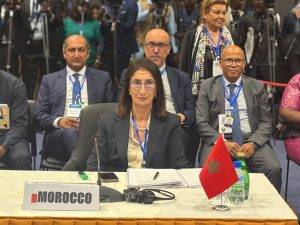 The pipeline is expected to span more than 5,600 kilometres along the West African coastline, connecting up to 13 ECOWAS member states before reaching Morocco. Once completed, it will improve access to cleaner energy, boost electricity generation, encourage industrial development, and strengthen regional economic integration.
The ambitious project is also expected to create thousands of jobs during construction and operation while enhancing energy security across West Africa. By linking with existing European gas networks through Morocco, the pipeline will also provide Europe with an alternative source of natural gas.
Officials say the project represents a major step toward unlocking West Africa’s energy potential, promoting cross-border cooperation, and driving sustainable economic growth throughout the region.
The pipeline is regarded as one of Africa’s most significant energy initiatives, with the potential to transform the continent’s energy landscape and strengthen ties between Africa and Europe.
