Lagos, Ogun’s waste-to-energy ambition on the slab as refuse crisis deepens

Lagos and Ogun states are increasingly turning to waste-to-energy solutions as mounting refuse threatens to overwhelm existing waste-management systems and raises concerns about environmental and public health risks.
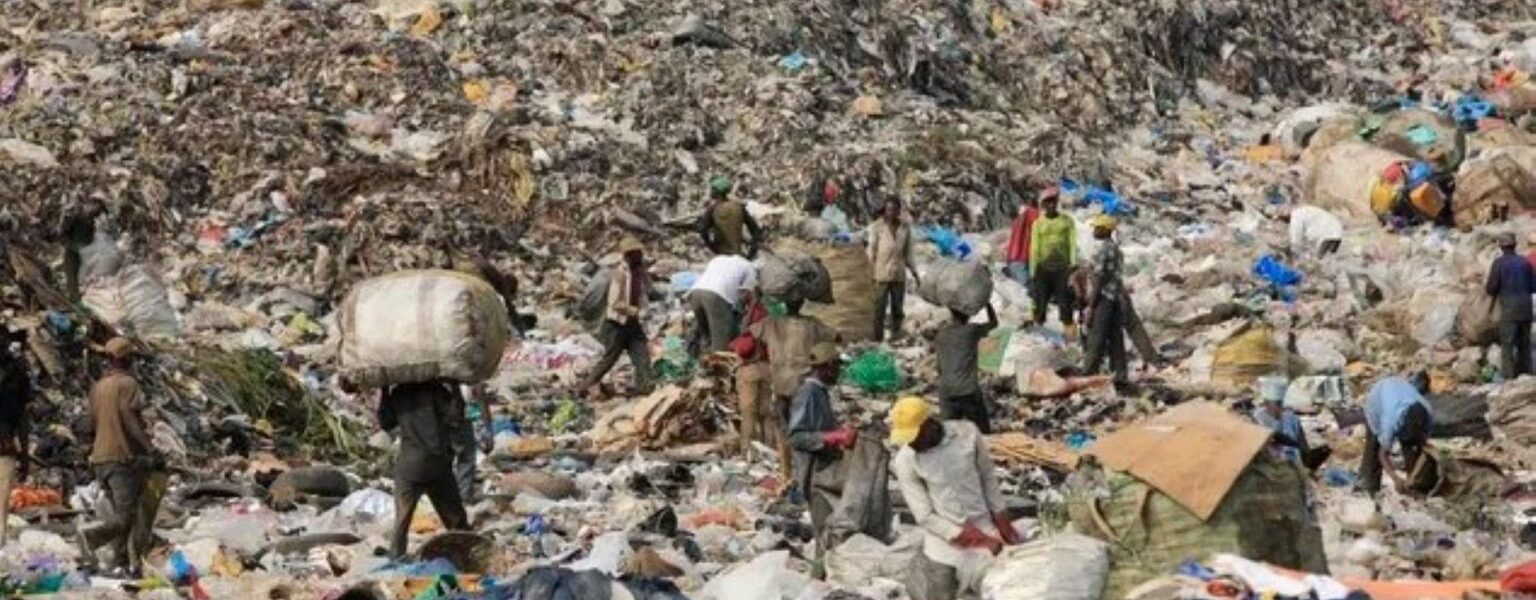
 In Lagos, the crisis has become particularly severe, with heaps of uncollected refuse reported across several communities. Governor Babajide Sanwo-Olu recently declared what he described as a “small state of emergency” on waste management, ordering additional trucks, equipment and disposal points to ease pressure on the system.
Lagos generates an estimated 13,000 metric tonnes of municipal solid waste every day. Overloaded dumpsites, deteriorating infrastructure, long queues of waste trucks and operational challenges have contributed to delays in refuse evacuation, leaving waste to accumulate on roads, medians, markets and drainage channels.
The state government is therefore seeking to move away from the traditional “pick-and-dump” model towards a circular economy in which waste is recycled, recovered and converted into useful resources.
The Lagos Waste Management Authority has announced plans to phase out ageing landfills and replace them with material recovery facilities and waste-to-energy plants. A proposed facility in Epe is expected to process about 3,000 tonnes of waste daily as part of the state’s longer-term waste-management strategy.
Officials have also highlighted existing efforts to convert waste into energy. Food waste from the Ikosi market, for example, is being processed through a biodigester to generate energy, while combustible waste is being used as an alternative fuel by industries.
Ogun State, meanwhile, is also promoting waste-derived energy as part of its environmental and climate strategy. The state government has identified Refuse-Derived Fuel (RDF) as a potential way of converting combustible municipal waste such as plastics, paper and textiles into alternative fuel for industrial use.
According to Ogun State officials, RDF could reduce pressure on landfills, lower greenhouse-gas emissions, reduce dependence on fossil fuels and create economic opportunities through the waste-to-wealth model.
The urgency is underscored by the wider waste-management challenges affecting communities around the Lagos-Ogun corridor. In parts of Ogun, residents have raised concerns about odour, blocked roads and health risks linked to poorly managed dumpsites. Meanwhile, Lagos trucks have faced difficulties accessing disposal facilities, further complicating waste collection across the metropolis.
For both states, the ambition is to transform waste from an environmental burden into a source of energy, recyclable materials and economic value. But the current refuse crisis highlights the gap between long-term plans and the immediate need for reliable collection and disposal.
As Lagos battles overflowing dumpsites and Ogun explores refuse-derived fuel, the success of their waste-to-energy ambitions will ultimately depend on adequate infrastructure, investment, effective waste separation and consistent collection.
The challenge now is not simply how to dispose of the mountains of waste being generated every day, but how quickly the two states can turn that waste into a resource before it becomes an even greater environmental and public-health threat.