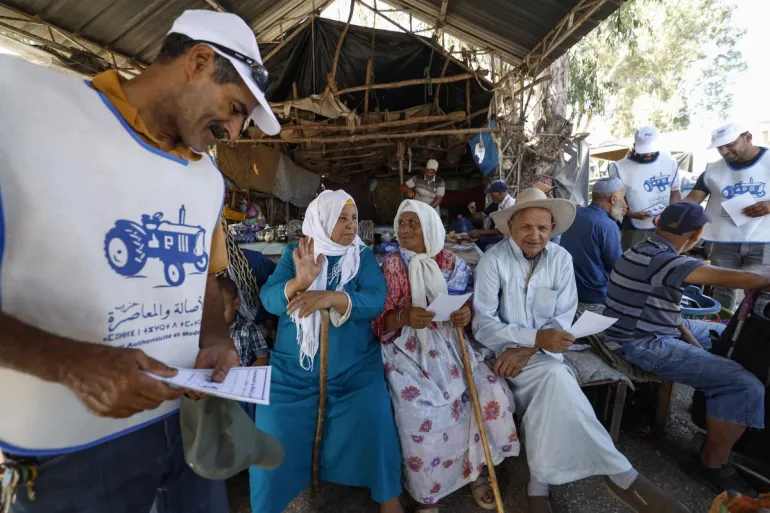
MOROCCO’S 2026 ELECTION: A TEST OF POLITICAL TRUST AND ENGAGEMENT

Morocco is heading toward parliamentary elections on September 23, 2026, with voters set to choose all 395 members of the House of Representatives. The election is the country’s first general parliamentary vote since 2021 and comes amid renewed attention to political participation, institutional trust and the concerns of younger citizens.
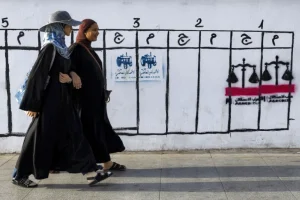
More than 15.8 million voters were registered on the final electoral rolls as of July 10, according to Morocco’s authorities. Women account for 46% of registered voters, while 54% are men. Young voters aged 18 to 24 represent about 4% of those registered.
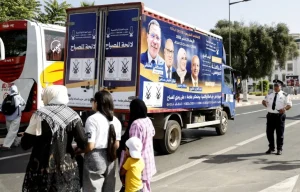 The election has also raised questions about voter engagement. A 2026 survey reported by Médias24 found that intentions to participate were divided, with respondents citing distrust of political parties and doubts about the impact of voting among reasons for previous abstention. These findings reflect public perceptions reported in the survey rather than an official measure of voter turnout.
Political parties are campaigning from September 10 through September 22, ahead of voting day. Authorities have also established national, regional and provincial committees to monitor the electoral process and respond to potential violations.
The media environment is another important part of the election. Morocco’s audiovisual regulator has introduced rules aimed at promoting political pluralism, balanced coverage and reliable electoral information while addressing misinformation and misleading AI-generated electoral content.
With 27 political parties participating and 1,850 candidate lists submitted nationally, the September vote will provide an important measure of how actively citizens engage with the political process. The results will determine the composition of the 395-seat House of Representatives and form part of the process for establishing Morocco’s next government.