
Algeria Remains Africa’s Fourth-Largest Economy, With GDP Projected At $331.89 Billion

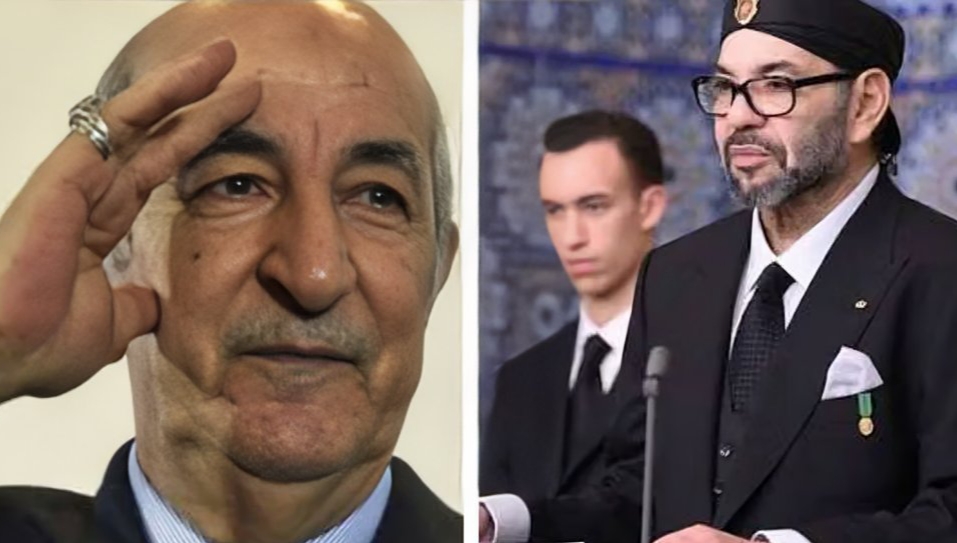
Algeria has retained its position as Africa’s fourth-largest economy, with its gross domestic product (GDP) projected to reach $331.89 billion in 2026, maintaining a significant economic lead over neighbouring Morocco.
 According to figures from the International Monetary Fund’s (IMF) October 2026 World Economic Outlook, Algeria ranks behind South Africa, Egypt and Nigeria, while Morocco occupies fifth place with a projected GDP of $195.63 billion. The figures put the economic gap between the two North African countries at approximately $136.26 billion.
Algeria’s economic strength is largely driven by its vast oil and natural gas reserves, which generate substantial export earnings, foreign exchange and government revenue. The country is also an important supplier of natural gas to European markets, reinforcing its position in international energy trade.
The IMF projects Algeria’s economy to grow by approximately 3.8 per cent in 2026, supported by hydrocarbon revenues and public investment. However, the country continues to face challenges associated with its heavy dependence on oil and gas, persistent fiscal deficits and pressures on public finances.
The IMF has emphasised the need for Algeria to diversify its economy, strengthen non-hydrocarbon revenue collection and improve public spending efficiency. Expanding sectors such as agriculture, manufacturing and non-oil exports could help reduce the country’s vulnerability to fluctuations in global energy prices.
Meanwhile, Morocco is pursuing a different economic strategy by expanding its industrial and export-oriented sectors. The country has attracted significant international investment in automotive manufacturing, electric vehicle batteries, aerospace and renewable energy.
Morocco’s growing automotive industry has strengthened its position in global manufacturing supply chains, while investments in emerging industries are expected to support export growth and economic diversification.
Although Morocco’s economy remains considerably smaller than Algeria’s in nominal GDP terms, its industrial expansion and projected growth rate highlight the potential benefits of developing a broader economic base.
The contrasting approaches of the two countries underscore different paths to economic development in North Africa. Algeria continues to benefit from its substantial energy resources, while Morocco is strengthening its manufacturing capacity and attracting foreign investment.
Ultimately, Algeria’s ability to maintain its economic standing and achieve sustainable long-term growth will depend partly on how effectively it diversifies beyond hydrocarbons. Morocco, on the other hand, will need to sustain its industrial expansion and address challenges such as unemployment and water scarcity.
Both countries remain important economic players on the African continent, with their future performance likely to depend on investment, productivity, fiscal management and the ability to adapt to changing global market conditions.

