
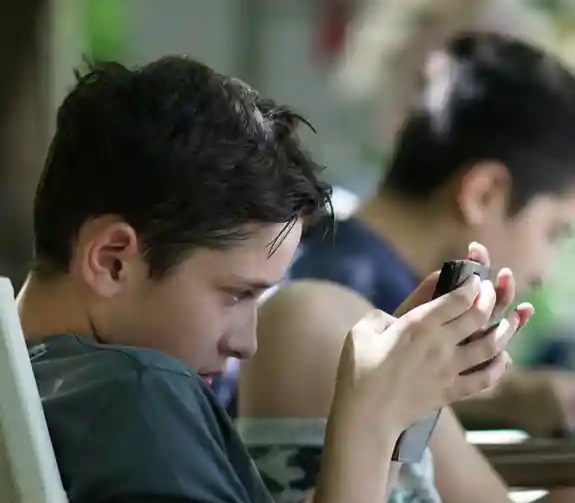

Greece’s parliament has passed legislation banning children under the age of 15 from using social media, making the country one of the latest to introduce strict age restrictions on young people’s access to social networking platforms.
 The new law is scheduled to take effect on January 1, 2027, and will require social media companies to introduce reliable systems for verifying the ages of their users. Platforms that fail to comply could face penalties under the European Union’s Digital Services Act.
The legislation is expected to cover major platforms such as TikTok, Instagram, Facebook and X, although the government may expand the list to include other services. Children under 15 will not be able to continue using existing accounts, and parental permission will not override the restriction.
Prime Minister Kyriakos Mitsotakis had announced the plan earlier this year, describing it as a difficult but necessary step to protect children. The government argues that excessive social media use and endless scrolling can interfere with children’s sleep, concentration, mental well-being and time spent interacting with people offline.
Under the system being developed, age verification could involve government-backed digital tools such as Kids Wallet or Gov.gr Wallet. Officials say the system can confirm whether a user is above or below the age threshold without unnecessarily revealing personal information such as their exact date of birth or identity details.
The responsibility for enforcing the restriction will largely fall on technology companies rather than parents. Platforms will have to introduce appropriate age-verification measures, while companies that fail to meet the requirements could face financial sanctions.
The measure was passed despite strong opposition from other political parties. The ruling New Democracy party used its parliamentary majority to push the legislation through, while opposition parties either voted against it or abstained.
Supporters say the policy is necessary because children are increasingly exposed to addictive online content, harmful material and excessive screen time. Critics, however, have questioned whether such a broad ban can be effectively enforced and whether children might simply find ways around age-verification systems.
Greece’s move comes amid a growing international debate over children’s use of social media. Australia has already introduced a ban for children under 16, while several other countries are considering or implementing similar restrictions. Greece is also among European countries pushing for stronger EU-wide measures to protect minors online.
The Greek government says the ultimate goal is to give children greater protection from the potential harms of excessive social media use while encouraging healthier relationships with technology.
The effectiveness of the new restrictions, however, will depend heavily on how accurately platforms can verify users’ ages and prevent children from bypassing the rules.
