
NAHCON attributes savings subscribers’ slot shortfall to Saudi quota cuts

In a statement, NAHCON acknowledged the disappointment of affected subscribers and appreciated their patience, sacrifices and commitment towards fulfilling the religious obligation.
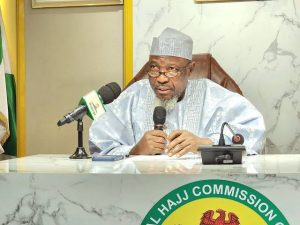 The commission explained that Nigeria, like other countries, was affected by the reduced global allocation and was required to operate within approved quotas, regulations and timelines set by Saudi authorities. The commission said the reduction affected many Nigerian intending pilgrims who fulfilled the financial requirements for the 2027 Hajj but could not secure allocations, creating a backlog among subscribers under the Hajj Savings Scheme and state Muslim Pilgrims’ Welfare Boards, agencies and commissions.NAHCON, however, assured eligible subscribers who met the payment requirements for the 2027 Hajj but could not be accommodated that they would be given priority for the 2028 pilgrimage, subject to approved quotas and regulatory requirements. It also offered affected subscribers two options: request a refund through their respective Hajj Savings Scheme partner banks or retain their funds in the scheme for the 2028 pilgrimage while continuing to earn applicable investment returns.
The commission advised intending pilgrims targeting the 2028 Hajj to complete their required savings by the conclusion of the 2027 pilgrimage season to allow for timely reconciliation and registration.To address the backlog and improve allocation management, NAHCON said it was developing a National Hajj Database in collaboration with state Muslim Pilgrims’ Welfare Boards, agencies, commissions, partner banks and other stakeholders.
The commission expressed hope that continued investment by the Saudi government in Hajj infrastructure would create opportunities for additional slots in subsequent pilgrimage seasons.It reaffirmed its commitment to equitable allocation, transparency, regulatory compliance and the welfare of Nigerian pilgrims.
