Nepal becomes first country to receive climate change reparations

The UN fund was set up in 2023 to help countries deal with climate-related disasters.
 Nepal has become the first country to receive climate change reparations from a new United Nations fund after deadly flash flooding earlier this year.
The Fund for Responding to Loss and Damage was set up in 2023 to help countries deal with climate-related disasters.
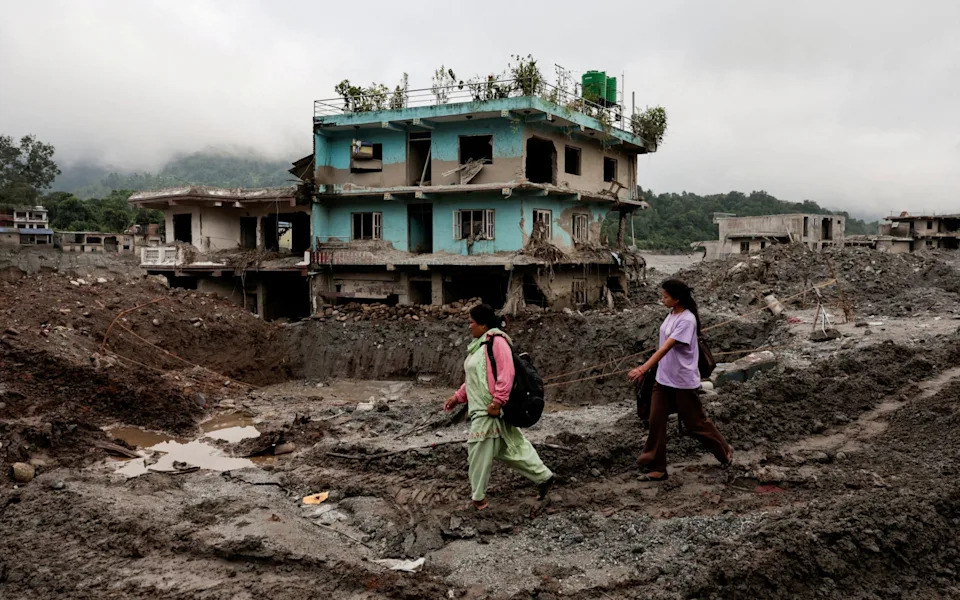
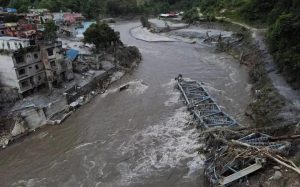
It decided on Thursday to earmark $20m (£15m) for Nepal to help it recover from the devastating flash flood of Aug 26, which killed more than 1,400 people.It is being seen as an important institutional breakthrough towards turning a long-standing demand by developing countries affected by climate change into financial support.
However, as per the fund guidelines, the $20m is the maximum amount that can be requested for a single project.
The amount is 0.7% of the $2.7bn Nepal has estimated in losses to infrastructure and economy.
In a statement, the United Nations Development Programme (UNDP) described the payout as “a historic milestone for climate justice and solidarity with Nepal”.
It added: “This approval represents the very first time the Fund has moved to support a country facing a sudden-onset climate disaster since its operationalisation at COP28.”
The UNDP said the decision would help mobilise vital resources for recovery, reconstruction and resilient livelihoods in communities affected in Nepal.Beyond Nepal, it sends an unequivocal message to vulnerable nations worldwide: multilateral cooperation can and must deliver climate justice when disaster strikes.”
On Aug 31, the Nepal government requested $20m from the UN fund for “loss and damage”, following a devastating rock-ice avalanche that swept away houses, power projects, roads and schools in towns and villages near the border with China’s Tibet.Nearly 60,000 people from 15,000 households were directly affected by the disaster. At least 1,500 people were killed and more than 5,000 remain missing.
In its letter to the fund, Dr Swarnim Wagle, Nepal’s finance minister, said: “As a least developed and highly climate vulnerable mountainous country, Nepal contributes negligibly to global greenhouse gas emission yet continues to bear disproportionate and escalating climate impacts.” Dr Wagle sought an urgent response that would signal that the fund is “capable of responding with humanity, speed, flexibility and solidarity when climate-vulnerable countries face losses and damages beyond their capacity to address alone”.
Rajendra Bagjain, a climate activist and former member of the Nepalese parliament, said that the $20m is merely a “crumb stuck between the teeth, not relief, but an insult to victims”.
“The UN can debate climate change endlessly but fails to analyse its real impacts on poor people,” Bagjain said.
So far, developing countries have made 176 applications to the fund, seeking $2.8bn to help recover from various climate-induced disasters. The developed nations have only pledged $0.8bn to support the fund