Ethiopia Posts $2.6 Bln Balance of Payments Surplus, Highest in 14 Years: Central Bank

Ethiopia recorded a balance of payments surplus of 2.6 billion US dollars over the past 11 months, its highest in 14 years, as the National Bank of Ethiopia (NBE) highlighted sweeping monetary and financial sector reforms aimed at stabilising the economy and curbing inflation.

The data were presented during a review by the House of People’s Representatives Standing Committee on Plan, Budget, and Finance Affairs, which assessed the NBE’s 11-month reform performance on Thursday.
The surplus marks a dramatic turnaround for Ethiopia’s external sector, following a series of policy overhauls since the government began floating the birr under a managed regime last year — a move that unlocked billions in multilateral support, including financing from the International Monetary Fund (IMF) and the World Bank.
Ethiopia has secured approximately 3.4 billion US dollars through a new Extended Credit Facility with the IMF since July 2024, including an initial disbursement of around one billion US dollars and a further 248 million US dollars following the second program review in January. At the same time, the World Bank has pledged about 16.6 billion US dollars in support over the next three years, including an immediate disbursement of one billion US dollars.
Central bank officials attributed the strong external performance to reforms in foreign exchange management, including allowing the exchange rate to be market-determined, relaxing surrender requirements on foreign currency for exporters, and introducing electronic interbank markets.
The NBE also permitted commercial banks and private entities greater access to FX, opened new foreign exchange bureaus, and extended repatriation timelines to encourage foreign currency retention.
Ethiopia’s export revenue for the 11-month period of the 2024/25 fiscal year reached seven billion US dollars, more than double the country’s total exports for the previous fiscal year, the central bank said.
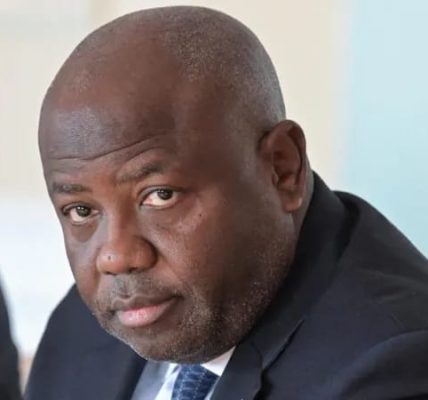
Governor Mamo Mihretu told lawmakers the reforms were driven by a new monetary policy strategy prioritising price stability. The NBE established a Monetary Policy Committee and launched open market operations between the central bank and commercial lenders for the first time, while also introducing electronic interbank market systems.
Inflation declined from 26 percent a year ago to 14.4 percent, though Mamo cautioned that the drop in headline inflation had not yet translated into lower living costs for many households.
In the financial sector, the NBE pointed to progress on governance and market liberalisation. A new Banking Business Proclamation was enacted to modernise regulation and supervision, while foreign ownership restrictions were eased to allow international banks to enter the market and invest in mobile money. Authorities also permitted capital injections into domestic banks and expanded digitisation to promote financial inclusion.