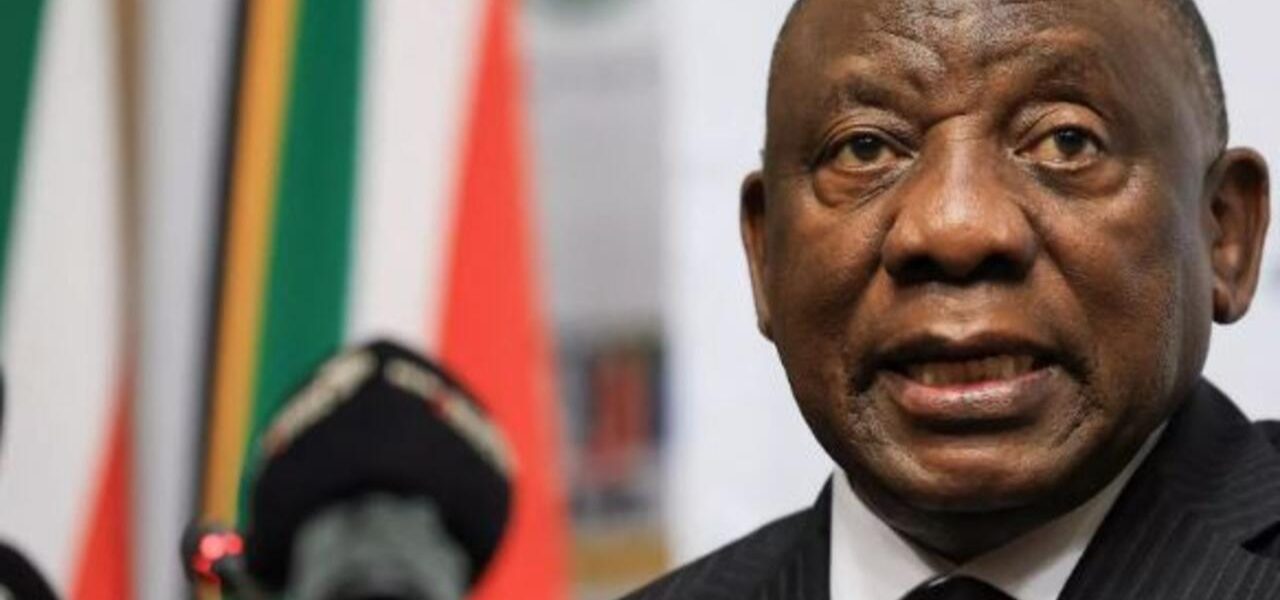

South Africa is on track to set up an independent power-transmission company, President Cyril Ramaphosa said, countering assertions that the state is revising the plan.
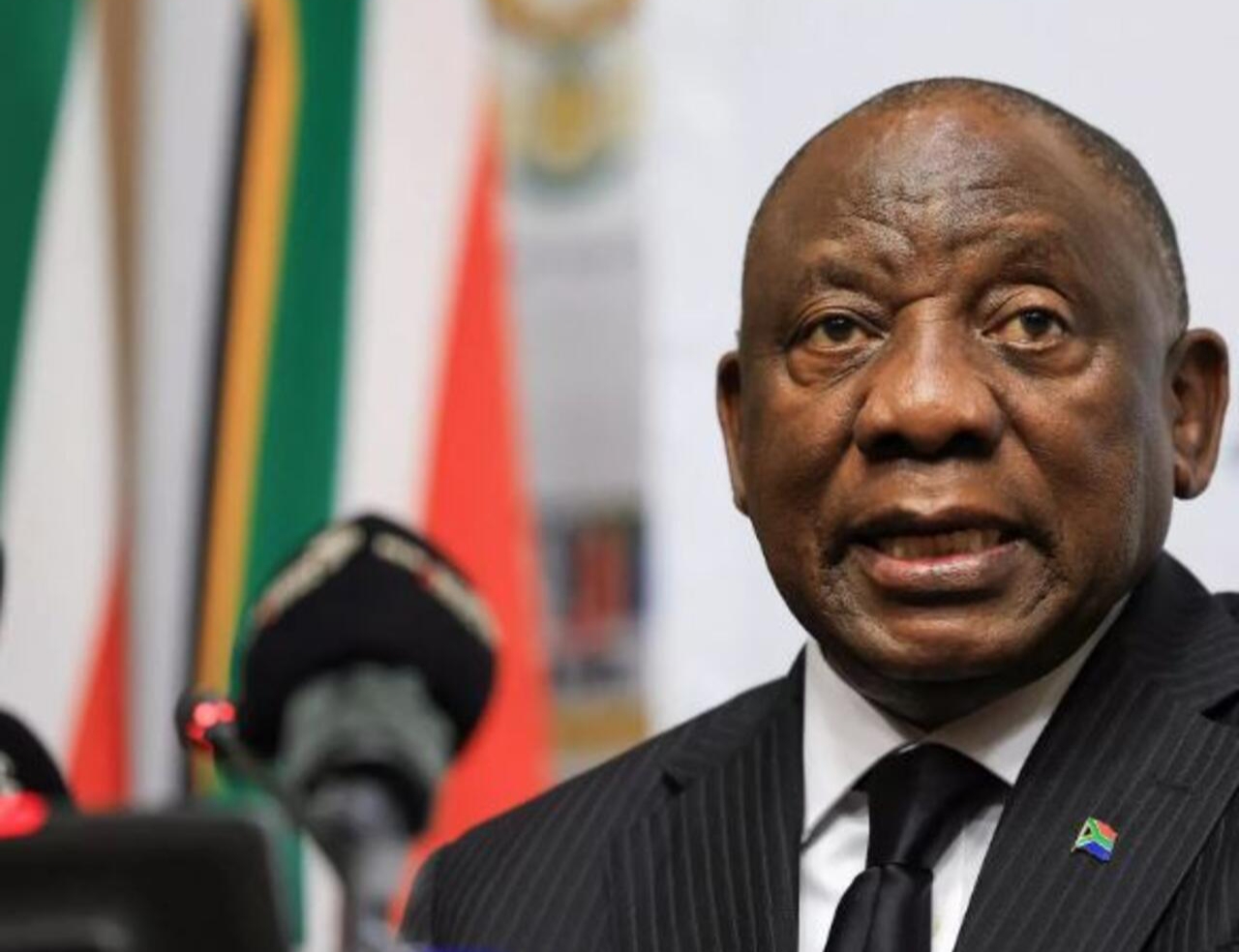
The government is restructuring state-owned power utility Eskom Holdings SOC Ltd. and establishing a fully independent state-owned transmission entity, as I have said before,” he told lawmakers in his state-of-the-nation speech in Cape Town.
“This entity will have ownership and control of transmission assets and be responsible for operating the electricity market.”
In a statement in December, the utility said Electricity Minister Kgosientsho Ramokgopa had approved a “revised unbundling strategy” that would still split Eskom into distribution, generation, renewable energy and transmission units under a single holding company.
It would also see ownership of the grid remain with Eskom, rather than being transferred to an independent transmission system operator.
The statement contrasted with earlier plans to separate the company into three stand-alone units, as Ramaphosa proposed in 2019, to create a more competitive electricity market and make it easier to manage the divisions and their debt.
Analysts said the revised strategy may jeopardise further implementation of the multi-billion-dollar Just Energy Transition Partnership, a program backed by European countries to help South Africa reduce its reliance on coal-fired power.
The plan was also widely rejected by business groups who had written a letter to the president ahead of his speech, urging him to declare, clearly, what the plan was going forward.
The groups warned that if Eskom continued to own the transmission assets, this would create an obvious conflict of interest while chasing investors away.
Other generators would find themselves prejudiced for access to the grid on fair terms—and investors, who are needed to pour billions of rands into new infrastructure, would be fully aware of this risk and pull funding.
Eskom had argued that its obligations to bondholders required it to continue owning the assets.
Ramaphosa said he has started a so-called task team under the national energy-crisis committee “to address the various issues relating to the restructuring process, including clear time frames for its phase implementation.”