DR Congo Battles Rising Ebola Cases Amid Violence and Aid Shortfalls

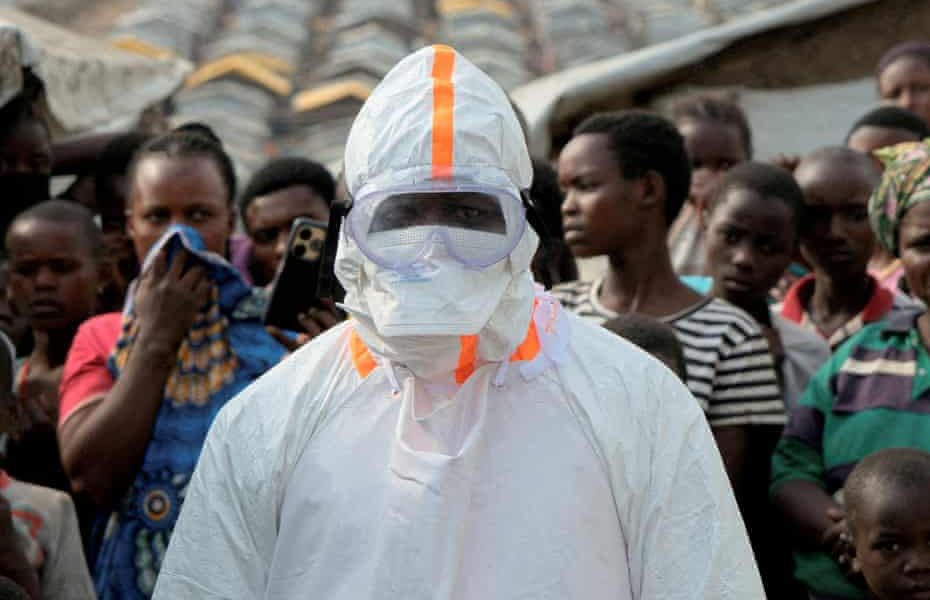
The Democratic Republic of the Congo (DRC) is facing a growing Ebola threat as armed conflict, shrinking international aid, and repeated attacks on healthcare workers continue to hamper efforts to contain the deadly virus.
 Health officials say insecurity in eastern DRC has made it difficult for medical teams to reach affected communities, trace contacts, and carry out vaccination campaigns.
In several areas, hospitals and treatment centres have been forced to suspend operations after attacks by armed groups, leaving thousands without access to essential healthcare.
The situation has been worsened by significant reductions in global humanitarian funding, which have limited the availability of medical supplies, surveillance teams, and emergency response operations.
Aid agencies warn that funding shortages are slowing efforts to detect new infections and respond quickly to outbreaks.
Public health experts say fear, misinformation, and population displacement caused by ongoing violence are also contributing to the spread of Ebola.
Many families are unable or unwilling to seek treatment, increasing the risk of further transmission.
Health authorities, together with international partners, are urging the global community to provide additional financial support and strengthen security for frontline health workers.
They warn that unless conflict eases and emergency funding improves, the DRC could face a larger and more difficult Ebola outbreak, with consequences extending beyond its borders.