Indonesia Indonesian rescue crews searching for 140 people after ferry hit bad weather

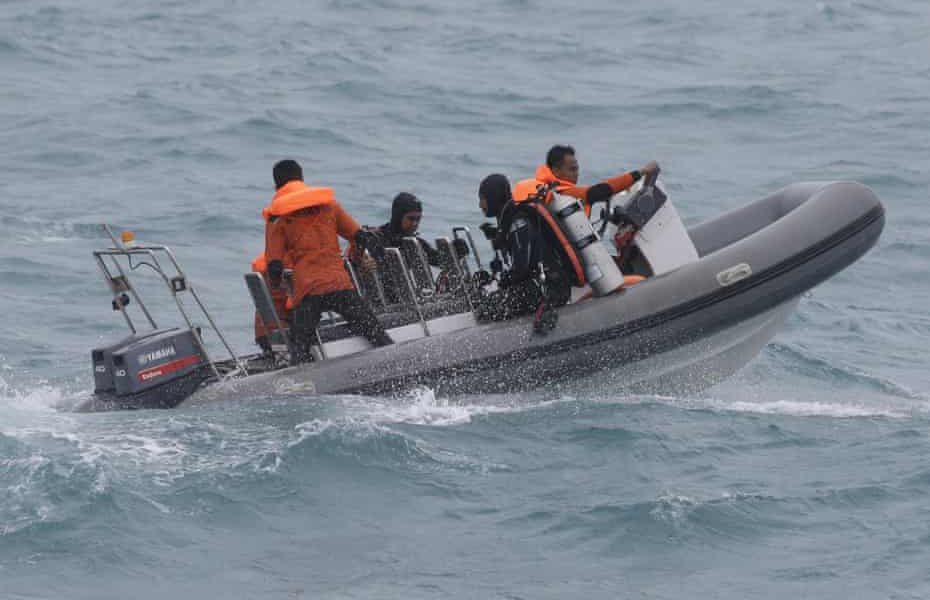
Indonesian rescuers were searching on Sunday for 140 people from a passenger ship that was earlier reported missing in the Java Sea after 103 others were evacuated, one of whom died, a search and rescue agency official said.
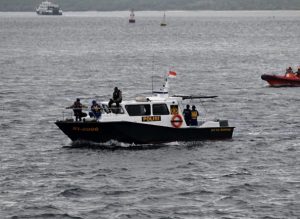
A passenger ship carrying more than 240 people was reported missing after losing contact during bad weather in the Java Sea early on Sunday, the country’s search and rescue agency said.
The Virgo Transport 8 ship set sail on Saturday from the East Java city of Surabaya to the South Kalimantan city of Banjarmasin before losing contact.
I Putu Sudayana, the head of the agency’s Banjarmasin office, said in a video statement that 103 people had been evacuated using different ships and some of them would be taken to an East Java port.Rescuers launched a search, deploying a team, ships and a helicopter toward the passenger vessel’s last known position, he said, without stating what happened to the ship.
The search and rescue office in the city of Banjarmasin in South Kalimantan, which is located on Borneo island, said it received a report two hours after contact was lost with the Virgo Transport 8 at about 2am on Sunday.
“The ship’s operator reported the incident to authorities after receiving information that the vessel had encountered bad weather,” Sudayana, who heads the search and rescue office, said in a video briefing.
Indonesia, an archipelago of 17,000 islands, relies heavily on ferries as a key mode of transportation, with sea routes more affordable and readily available than air travel.
However, safety standards are not always rigorously enforced, resulting in a relatively high accident rate.we have a small favour to ask.
Tens of millions have placed their trust in the Guardian’s fearless journalism since we started publishing more than 200 years ago, turning to us in moments of crisis, uncertainty, solidarity and hope. More than 1.5 million supporters, from 180 countries, now power us financially – keeping us open to all, and fiercely independent. Will you make a difference and support us too?
Unlike many others, the Guardian has no shareholders and no billionaire owner. Just the determination and passion to deliver high-impact global reporting, always free from commercial or political influence. Reporting like this is vital for democracy, for fairness and to demand better from the powerful.
And we provide all this for free, for everyone to read. We do this because we believe in information equality. Greater numbers of people can keep track of the global events shaping our world, understand their impact on people and communities, and become inspired to take meaningful action. Millions can benefit from open access to quality, truthful news, regardless of their ability to pay for it.
Whether you give a little or a lot, the support of readers like you from Nigeria will power our reporting for the years to come.