
2027: Nigeria’s 103 million registered voters face turnout test

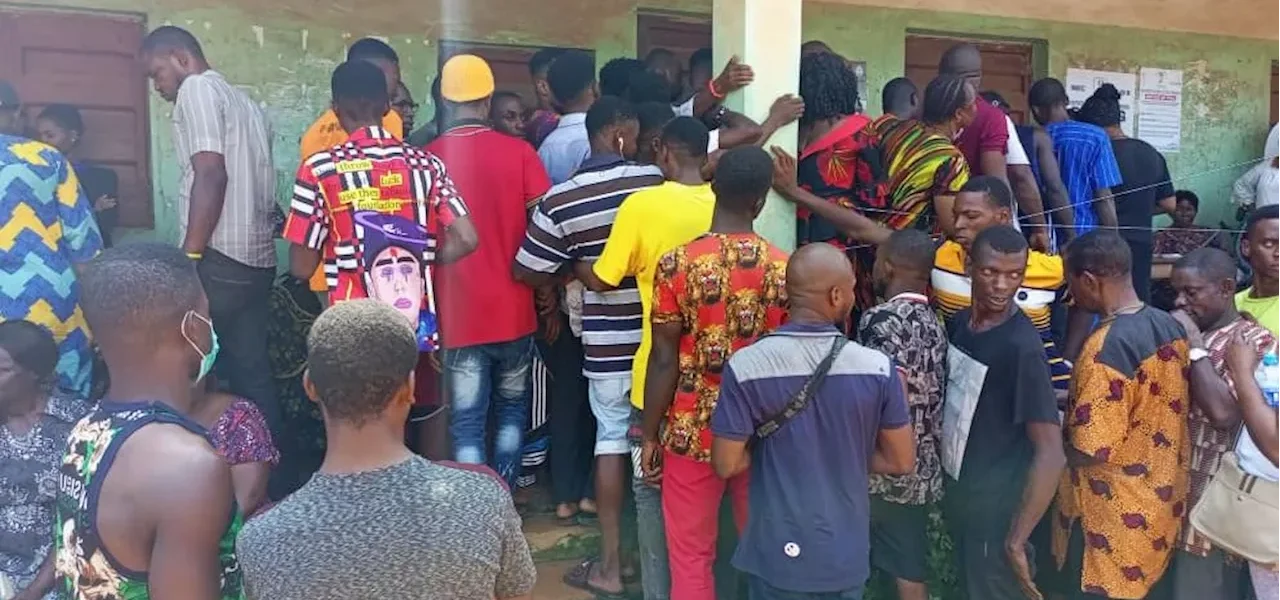
Nigeria is heading into the 2027 general elections with more than 103 million registered voters, but the growing voter register has raised another important question: how many Nigerians will actually turn up to vote?
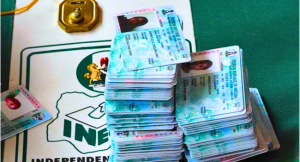 The Independent National Electoral Commission (INEC) recently announced that the National Register of Voters had risen to 103,428,715, following the completion of the three-phase Continuous Voter Registration exercise and a final biometric clean-up. The exercise added more than 10.7 million new registrations.
The size of the electorate makes the 2027 election one of the most significant in Nigeria’s democratic history. The presidential and National Assembly elections are scheduled for January 16, 2027, while governorship and State Houses of Assembly elections will follow on February 6.
However, Nigeria’s recent electoral history shows that a large voter register does not automatically translate into high participation.
In the 2011 presidential election, turnout stood at about 53.7 per cent. It fell to 43.6 per cent in 2015, 34.75 per cent in 2019 and approximately 26.7 per cent in 2023 — the lowest level recorded in the country’s modern democratic history. Only 24,025,940 valid votes were recorded in the 2023 presidential election.
This means the central challenge for 2027 may not be getting Nigerians to register, but converting registration into actual votes.
SECURITY AND TRUST
Security remains one of the biggest concerns surrounding voter participation.
A September 2026 survey by Yiaga Africa found that 84 per cent of respondents said they were likely or very likely to vote in 2027. However, 61 per cent said fear of electoral violence could prevent them from voting, while concerns were particularly high in parts of the North-East.
Trust in electoral institutions is another challenge. The same survey found that only 34 per cent of respondents expressed confidence that INEC would conduct credible elections.
Analysts have therefore warned that enthusiasm expressed during surveys may not necessarily translate into actual turnout on election day.
YOUNG VOTERS COULD BE CRUCIAL
Young and middle-aged Nigerians make up a significant proportion of the electorate.
According to figures reported from the 2027 register, 29.8 million voters aged 18 to 34 account for about 28.8 per cent of registered voters, while more than 43.2 million people aged 35 to 49 represent the largest age group, accounting for about 41.8 per cent.
Their participation could significantly influence the outcome of the presidential, National Assembly and state-level elections.
But younger voters have also shown lower willingness to vote compared with older Nigerians, making mobilisation and voter education particularly important.
INEC STEPS UP PREPARATIONS
INEC says it is taking steps to make voting more accessible and strengthen confidence in the electoral process.
The commission has commenced nationwide PVC collection and has introduced technology designed to make obtaining voter cards easier. It has also acquired 57,000 new BVAS devices, with the machines undergoing software hardening, battery optimisation and biometric calibration.
INEC is also working with the National Orientation Agency, civil society organisations and traditional rulers to increase voter education and tackle disinformation and voter apathy.
The commission says it is also strengthening the technology used for accreditation and election-result management in an effort to improve transparency.
THE BIG QUESTION
With more than 103 million names on the register, Nigeria now has an enormous potential electorate. But the real measure of the 2027 election will not simply be the number of registered voters.
It will be the number who overcome concerns about security, distrust, logistics and political disillusionment to actually cast their ballots.
If voter participation rises significantly, the 2027 election could reverse Nigeria’s long-running decline in turnout. If the trend continues, millions of registered voters could once again remain at home, leaving a relatively small proportion of the electorate to determine the country’s political direction.


