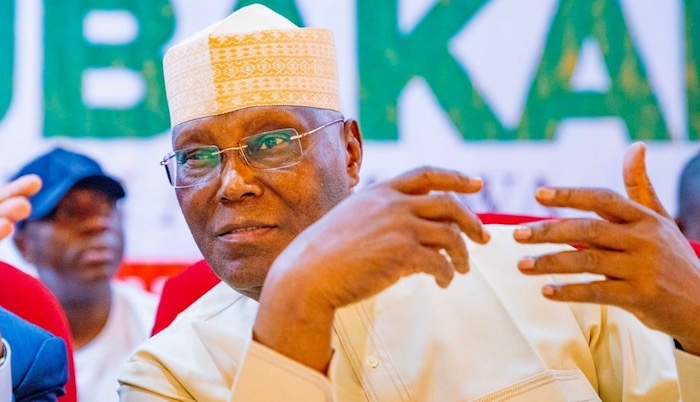
ATIKU ABUBAKAR VOWS TO RESTORE PETROL SUBSIDY IF ELECTED PRESIDENT

Former Vice President Atiku Abubakar has promised to restore the petrol subsidy if elected president, arguing that the funds saved from the subsidy removal have not been properly accounted for.
Atiku said the decision to remove the subsidy had placed significant pressure on Nigerian households by increasing the cost of petrol, transportation, food and other essential goods.
According to him, Nigerians have yet to see sufficient benefits from the savings that were expected to arise from ending the subsidy regime. He alleged that a substantial portion of the money saved has been misappropriated or poorly managed.
The former vice president maintained that his administration would review the current fuel-pricing policy and consider restoring a subsidy mechanism to reduce the burden on citizens, particularly low- and middle-income Nigerians.
Atiku has consistently criticized the government’s handling of the subsidy removal, arguing that the policy should have been accompanied by stronger measures to protect vulnerable Nigerians and ensure that savings were transparently invested in infrastructure and social programmes.
The federal government, however, has defended the subsidy removal, maintaining that the policy was necessary to reduce the country’s financial burden and redirect public funds toward development.
The subsidy was removed after President Bola Ahmed Tinubu announced the decision shortly after assuming office in May 2023. The move triggered a sharp increase in petrol prices and contributed to rising transportation and living costs across the country.
Atiku’s latest promise is expected to become an important part of the economic debate ahead of the next presidential election, particularly as Nigerians continue to grapple with high living costs.
He has called for greater transparency and accountability in the management of public funds, insisting that any savings generated from major economic reforms must directly benefit Nigerians.
The debate over whether to maintain, modify or restore the petrol subsidy is likely to remain one of the major economic issues shaping Nigeria’s political discourse as opposition parties and presidential hopefuls outline their plans for the country’s economy.