Burkina Faso President Rejects Saudi Offer to Build 200 Mosques, Prioritises Jobs, Education and Healthcare

The President of Burkina Faso, Ibrahim Traoré, has reportedly declined an offer from Saudi Arabia to construct 200 mosques in his country, stressing that his administration’s priority is economic and social development.

According to reports, the Saudi proposal was part of ongoing humanitarian and religious support initiatives across Africa.
However, President Traoré made it clear that while such gestures may be well-intentioned, they do not address the most urgent needs facing the Burkinabè people.
He emphasized that Burkina Faso already has a sufficient number of mosques, with some reportedly underutilised. Instead of expanding religious infrastructure, the president urged Saudi authorities to channel their resources into sectors that directly improve the quality of life for citizens.
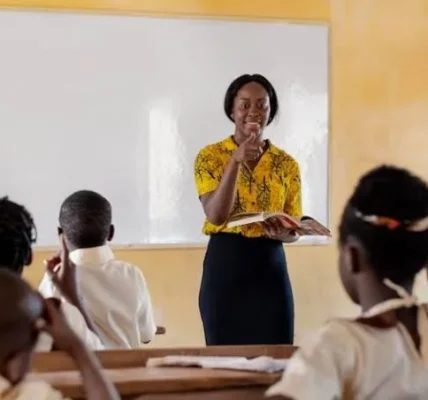
Traoré specifically called for investments in education, healthcare, and job creation, noting that these areas are critical to national development and long-term stability. He highlighted the importance of building schools, hospitals, and industries that can generate employment and reduce poverty across the country.
The decision reflects his broader vision of promoting self-reliance and sustainable growth in Burkina Faso, a country grappling with economic challenges and security concerns.
His stance has sparked widespread debate, with many observers praising the move as a bold shift toward prioritising development over symbolic projects.
The move also aligns with a growing sentiment among some African leaders who are advocating for foreign partnerships that focus more on infrastructure, human capital development, and economic empowerment rather than religious or non-essential projects.
President Traoré’s position underscores a clear message: for Burkina Faso, the immediate need is not more places of worship, but tangible investments that can create jobs, improve education, and strengthen the healthcare system.