
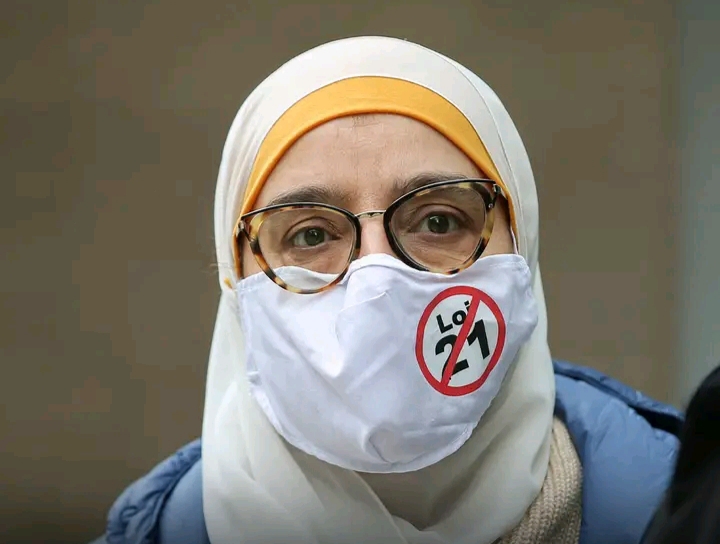

Canada’s Supreme Court has upheld Quebec’s law restricting the wearing of religious symbols, including the hijab, by certain public servants, reinforcing the province’s controversial secularism legislation known as Bill 21.
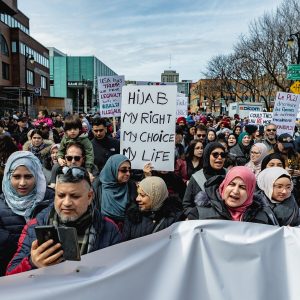
The law, which was passed in 2019, prohibits some public employees in positions of authority, including teachers, police officers, judges and other government workers, from wearing religious symbols while performing their duties.
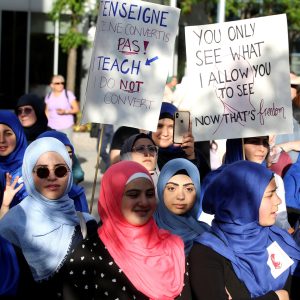 The restrictions apply to symbols such as hijabs, turbans, kippahs and crosses.The Supreme Court’s decision was based largely on Quebec’s use of the notwithstanding clause, a constitutional provision that allows governments to override certain rights and freedoms protected under Canada’s Charter of Rights and Freedoms for a limited period.
However, the court ruled that a provision preventing elected members of Quebec’s National Assembly from wearing religious face coverings infringes their democratic rights to participate in the legislative process.The ruling has sparked renewed debate across Canada over religious freedom, equality, government secularism and the rights of religious minorities. Supporters of Bill 21 view it as a defence of state neutrality, while critics argue that it disproportionately affects Muslim women and other religious communities.
The decision leaves the core restrictions of Bill 21 in place, marking a significant development in Canada’s ongoing debate over the relationship between religion and the state.
