Ebola Cases in DR Congo Surpass 3,000 as Health Workers Launch Strike

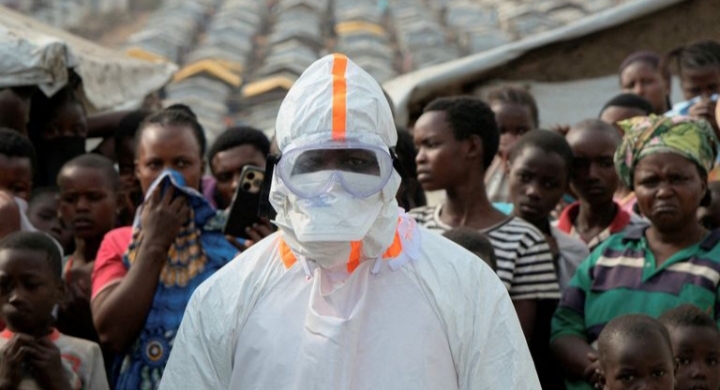
The Democratic Republic of Congo (DR Congo) has recorded more than 3,000 Ebola cases as the country continues to battle one of its deadliest outbreaks in recent history.
 The worsening health crisis has been compounded by a strike by healthcare workers, raising concerns about the country’s ability to contain the spread of the deadly virus.
According to health authorities, the current outbreak has claimed lives at a faster rate than previous Ebola epidemics, putting immense pressure on hospitals and emergency response teams.
The strike by medical personnel, reportedly driven by unpaid salaries, poor working conditions, and shortages of essential medical supplies, has disrupted treatment and surveillance efforts in several affected areas.
Public health experts warn that the industrial action could slow contact tracing, testing, patient care, and vaccination campaigns, increasing the risk of further transmission. Communities in the hardest-hit regions are also facing challenges accessing timely medical care.
The outbreak has drawn comparisons to the devastating 2013–2016 West Africa Ebola epidemic, which infected more than 28,000 people and claimed over 11,000 lives, making it the deadliest Ebola outbreak on record.
The World Health Organization (WHO) and other international partners have continued to support DR Congo’s response by providing vaccines, medical supplies, and technical assistance.
However, health officials stress that ending the strike and strengthening the country’s healthcare system are essential to bringing the outbreak under control.
Authorities are urging the public to report suspected cases early, avoid contact with infected individuals, follow health guidelines, and cooperate with disease surveillance teams as efforts continue to contain the virus.