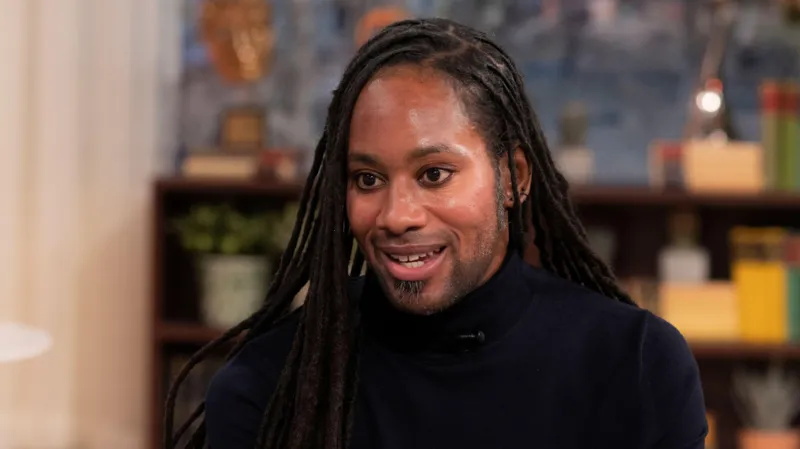
Jason Arday, professor at centre of Cambridge plagiarism row, found dead

Professor Jason Arday, the former University of Cambridge sociology professor and the university’s youngest Black professor, has died at the age of 41 after becoming the centre of a major controversy over allegations concerning his academic work.
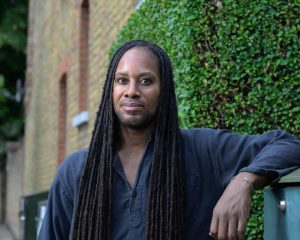 Arday was found unresponsive at a property in Battersea, south London, and was pronounced dead at the scene. Police said his death was unexpected but was not being treated as suspicious.
The controversy intensified after allegations were made that portions of Arday’s 2015 PhD thesis contained passages similar to an earlier academic thesis.
Philosopher Nathan Cofnas was among those who publicly raised the allegations, publishing material that questioned Arday’s academic record and Cambridge’s handling of the complaints.
The allegations triggered a wider debate about academic standards, racism, diversity and inclusion in British universities.
Cambridge initially defended Arday and said complaints about his PhD should be investigated by the institution where the research was conducted.
Liverpool John Moores University, where Arday completed his PhD, had previously reviewed the work and concluded that he had not committed plagiarism.
Arday consistently denied deliberately plagiarising work and said he supported proper investigations into genuine academic concerns. However, the controversy expanded beyond his thesis to questions about aspects of his personal history and claims about harassment and intimidation that he had previously reported.
In 2023, Arday made history when he became the youngest Black professor in Cambridge’s history.
His rise to the prestigious position had attracted international attention because of his reported childhood difficulties and his later academic achievements.
Arday resigned from Cambridge shortly before his death, amid the continuing controversy.
His family later said they were devastated and blamed what they described as misinformation, harassment and intense public scrutiny for contributing to his suffering.
Following his death, colleagues, supporters and campaigners have called for reflection on how the allegations and media coverage were handled.
A large vigil was held in London in his honour, with supporters remembering him as a pioneering Black academic while also calling for greater accountability over the circumstances surrounding his final months.
The case has now become a wider discussion about academic integrity, media responsibility, racism, institutional accountability and the pressures faced by academics working in highly contested areas such as race and education.