
Kenya’s Food Import Bill Soars to Record Sh82 Billion in First Quarter Amid Drought Concerns

Kenya’s Food Import Bill Soars to Record Sh82 Billion in First Quarter Amid Drought Concerns Kenya spent a record Sh81.6 billion (approximately Sh82 billion) on food and beverage imports during the first quarter of 2026, highlighting the country’s growing dependence on foreign food supplies as domestic agricultural production struggles to meet demand.
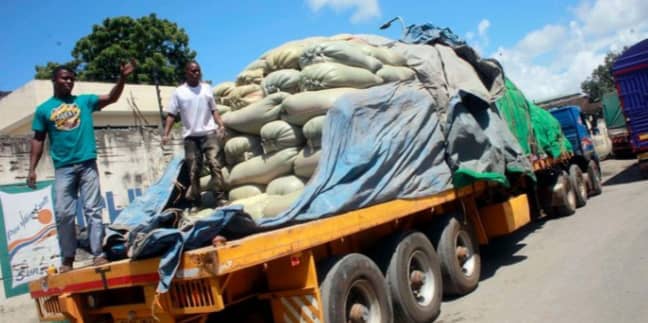 According to data from the Kenya National Bureau of Statistics (KNBS), the import bill rose by 40.9 percent from Sh57.9 billion recorded during the same period in 2025.
The sharp increase was one of the biggest contributors to the country’s rising import expenditure and reflects mounting concerns over declining crop yields caused by prolonged drought conditions.
Kenya continues to rely heavily on imported wheat, rice, edible oils, sugar, and, in some cases, maize to bridge local production gaps.
The surge in food imports comes as many parts of the country face worsening drought. Government officials have warned that successive seasons of below-average rainfall have reduced crop output, depleted water resources, and worsened food insecurity, particularly in arid and semi-arid regions. Recent food security assessments indicate that about 3.5 million Kenyans required humanitarian food assistance as of February 2026, up significantly from 2.2 million a year earlier.
The government has already spent billions of shillings on drought-response measures, including food aid, water supply, and livestock support programs.
The Treasury has cautioned that continued drought could negatively affect economic growth by reducing agricultural output and disrupting related sectors of the economy.
The latest figures mark the highest first-quarter food import bill ever recorded in Kenya, surpassing levels seen during the severe food crises of 2022 and 2023.
Analysts say the rising import bill underscores the need for stronger investment in irrigation, climate-resilient farming, and food production systems to reduce Kenya’s vulnerability to weather shocks and global supply disruptions.

