
Lagos Government to Phase Out ‘Korope’ Minibuses from Major Highways

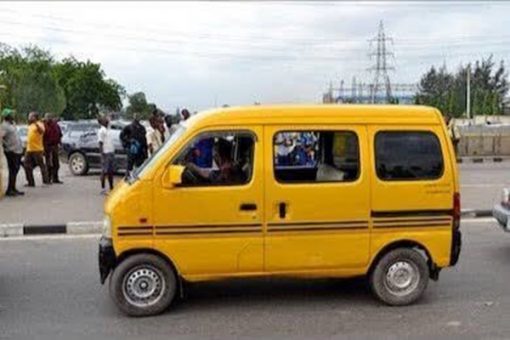
The Lagos State Government has announced plans to phase out small commercial buses, widely known as korope, from major highways as it accelerates efforts to modernise public transportation under the Lagos Strategic Transport Master Plan.
The move is part of the next phase of the Lekki–Epe Bus Reform Scheme, which will begin on 8 December. The reform is one element of the broader Bus Reform Initiative (BRI), conceived to replace the city’s largely informal minibus operations with a structured system of high-capacity, regulated buses.At a stakeholders’ meeting held to finalise arrangements for the rollout, officials from the Ministry of Transportation, the Lagos Metropolitan Area Transport Authority (LAMATA), and representatives of informal bus operators reviewed operational details for the new corridors.
Under the scheme, regulated bus services will operate exclusively along routes such as Ajah–CMS (Marina)/Obalende, Ajah–Oshodi, Ajah–Berger, and Ajah–Iyana Ipaja, with plans to extend services to Epe later.The Head of Corporate Communication at LAMATA, Kolawole Ojelabi, said in a statement on Tuesday that the Special Adviser on Transportation, Sola Giwa, who chaired the meeting, reiterated the government’s intention to streamline operations across Lagos by removing unsafe and unregulated vehicles from major highways.
“We need to take a lot of bad buses off the road. The Lekki–Epe Expressway is not isolated. We are working on other major transit corridors. The vision of the state government is also to remove the small buses known as korope from major highways and reassign them to feeder and community routes to strengthen the First and Last Mile bus scheme,” Mr Giwa said. The decision aligns with the state’s long-term transportation blueprint, which aims to integrate bus, rail, and water transport while reducing dependence on informal minibuses that currently account for the majority of daily mechanised trips.
Over the past two years, officials have repeatedly described the city’s minibus sector as “chaotic,” citing inconsistent fares, unsafe road practices, non-compliance with vehicle inspection standards, and lack of route discipline.
Previous regulatory efforts along the Lekki–Epe corridor required minibus operators to meet Vehicle Inspection Service (VIS) standards, with the government emphasising regulation rather than outright prohibition. Under that regime, compliant minibuses were to be rebranded and assigned to interior routes as part of the First and Last Mile system.
The latest announcement signals a firmer shift toward the full removal of korope from main highways as higher-capacity buses come online.
Under the new structure, the already regulated operator on the corridor will continue stage carriage services. At the same time, a collective of the National Union of Road Transport Workers (NURTW), has been approved to operate express services from Ajah to Oshodi and Berger.
Buses deployed under the scheme will carry Lagos State’s blue-and-white colours and feature QR codes for vehicle verification, unique identification numbers, and Touch-and-Pay (TAP) stickers. Drivers will also be required to wear official Ministry of Transportation badges.
A total of 229 medium- and high-capacity buses will operate during the first phase, with all fare payments restricted to the Cowry card system — part of a broader push for electronic ticketing across the city.
Mr Giwa warned that operators or commuters who engage in cash transactions would be arrested and prosecuted, stressing that enforcement teams would be deployed along the serviced corridors.
The reforms form part of Lagos’s ongoing attempt to build a fully integrated transport ecosystem that includes the Blue and Red rail lines, BRT corridors, ferry services and dedicated non-motorised transport lanes.
However, transport analysts note that thousands of low-income commuters still rely on informal minibuses, raising concerns about the adequacy of feeder services when korope are eventually removed from highways.
