
Meet the founder who took a detour from tech, and raised $1.5 million to build West Africa’s largest safety footwear company

From Tech Dreams to Safety Boots: Founder Raises $1.5 Million to Build West Africa’s Largest Footwear Company
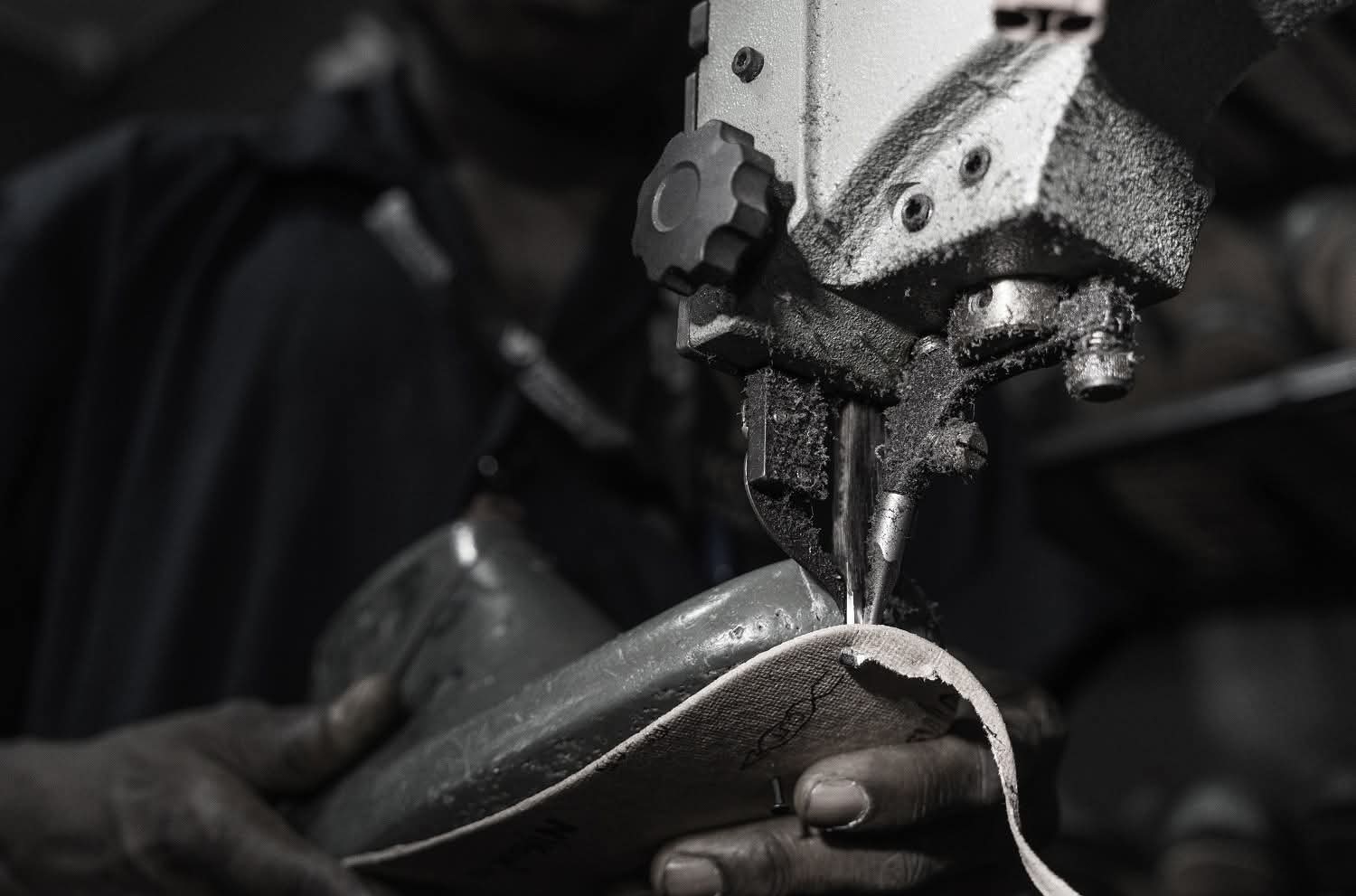 What began as a detour from the technology industry has grown into one of Nigeria’s most remarkable manufacturing success stories.
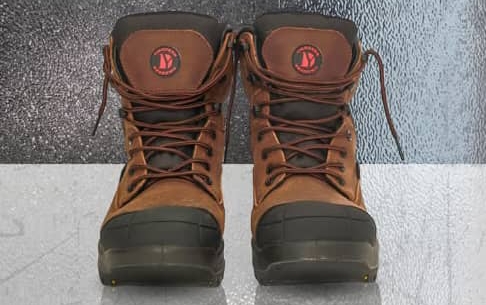 Shamsideen Atunde, founder and CEO of Yikodeen, has secured a $1.5 million investment from Aruwa Capital Management to expand his company into what is now projected to become West Africa’s largest safety footwear manufacturer.
Founded in 2016, Yikodeen started as a small operation producing just 20 pairs of safety boots daily. Today, the Nigerian company manufactures about 500 pairs per day and supplies protective footwear to some of the country’s biggest industrial projects. The company has delivered more than 30,000 pairs of safety boots to the Nigeria LNG Train 7 project and remains one of the few indigenous manufacturers certified to supply safety footwear to Nigeria’s oil and gas sector.
The fresh funding, provided solely by Aruwa Capital Management through its Aruwa Capital Fund II, will be used to recommission and expand Yikodeen’s factory, acquire advanced production equipment, and strengthen quality control systems.
Once the upgraded facility becomes fully operational, Yikodeen plans to increase production capacity from 500 pairs to 2,500 pairs of shoes daily, positioning the company as the largest producer of safety footwear in West Africa.
Speaking on the milestone, Atunde described the investment as a strong endorsement of local manufacturing.
“This partnership represents more than financial investment; it’s a vote of confidence in our manufacturing excellence. We’re positioned to transform our production capabilities, expand our product lines, and create significant economic value through job creation and import substitution,” he said.
Beyond profits, Yikodeen has built a reputation for social impact. The company currently employs over 80 workers, with women making up a significant portion of its workforce and leadership. It also runs vocational training programmes that have equipped hundreds of Nigerians with leatherwork skills and supports underserved communities through annual shoe donations.
As Nigeria pushes for greater local production and reduced dependence on imports, Yikodeen’s journey from a bold idea to an industrial powerhouse highlights the growing potential of homegrown manufacturing businesses to compete on a regional scale.