
Native American Women Make History In Tribal, State And Federal Elections

Native American women have achieved historic political milestones in the 2026 United States elections, winning key positions across tribal, state and federal governments.
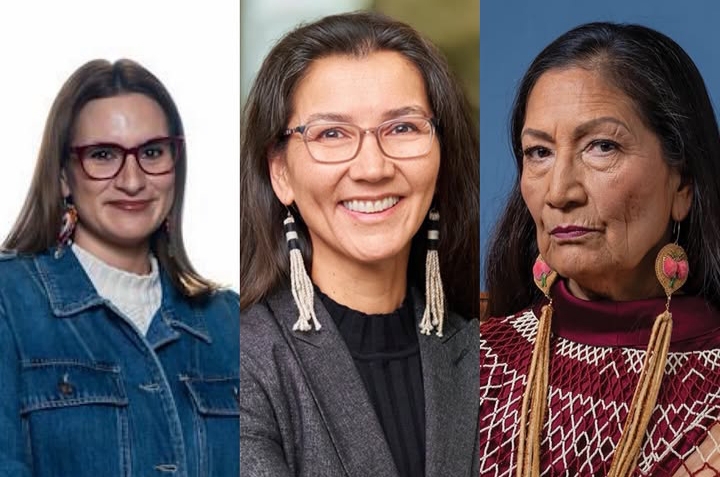
 The victories include the election of the first Native American woman to the United States Senate, the first Native American woman governor of a US state and the first women presidents of two tribal nations.
Among the historic winners is Crystalyne Curley, who was elected the first female president of the Navajo Nation. Her victory marks a major breakthrough for women in the tribe, which has been led by men since the establishment of its modern government more than a century ago.Curley said her interest in politics began when she was a young girl during a school visit to the Navajo Nation Council. She recalled watching a heated debate between two lawmakers and deciding that she wanted to become involved in leadership.
She defeated attorney Justin Jones, according to unofficial election results, despite facing sexist comments during her campaign.Her running mate, Chris Deschene, is expected to take office with her in January. Their plans include moving the Navajo Nation away from coal development and strengthening its influence in discussions concerning federal Indigenous policies.
The Seneca Nation of Indians in western New York also elected its first female president, Tina Abrams, a longtime member of its council. Her running mate, Chris Deschene, is expected to take office with her in January. Their plans include moving the Navajo Nation away from coal development and strengthening its influence in discussions concerning federal Indigenous policies.
The Seneca Nation of Indians in western New York also elected its first female president, Tina Abrams, a longtime member of its council.Her election is particularly significant because, in more than 230 years of the US Senate’s existence, only four Native Americans had previously served in the chamber, and all were men.
In New Mexico, former US Interior Secretary Deb Haaland made history after being elected governor, becoming the first Native American woman to win a governorship in the United States.Haaland, a member of the Laguna Pueblo community, previously made history in 2018 as one of the first two Native American women elected to the US House of Representatives. She later became the first Native American to lead a US Cabinet department when she was appointed Interior Secretary under former President Joe Biden. Democrat Claire Valdez, a citizen of Ysleta del Sur Pueblo, became the first Native American elected to represent New York in Congress, while Democrat Sean McCann, a citizen of the Citizen Potawatomi Nation, became the first Native American elected to represent Michigan.
Kansas Democrat Sharice Davids, a member of the Ho-Chunk Nation, and Oklahoma Republican Josh Brecheen, a member of the Choctaw Nation, also secured re-election.Meanwhile, Democrat Mary Peltola, a Yup’ik woman, remained in a closely contested Senate race in Alaska. Her victory would potentially increase the number of Native Americans serving in the Senate to three.
A New Era For Native Women In Politics
Political advocates say the victories reflect decades of organising and growing participation by Indigenous women in electoral politics.Jordan James Harvill, a Cherokee Nation citizen and political strategist with Advance Native Political Leadership, described the achievements as a major shift in Native communities.
The victories are also expected to inspire younger generations of Native American women to pursue leadership positions and participate more actively in government.The National Congress of American Indians described the historic achievements as important milestones for Indigenous representation, expressing hope that the new leaders would advance issues affecting tribal communities, including the protection of tribal lands and respect for treaty obligations.
The 2026 elections have therefore marked a significant turning point for Native American women, demonstrating their growing influence in political leadership at tribal, state and national levels.


