
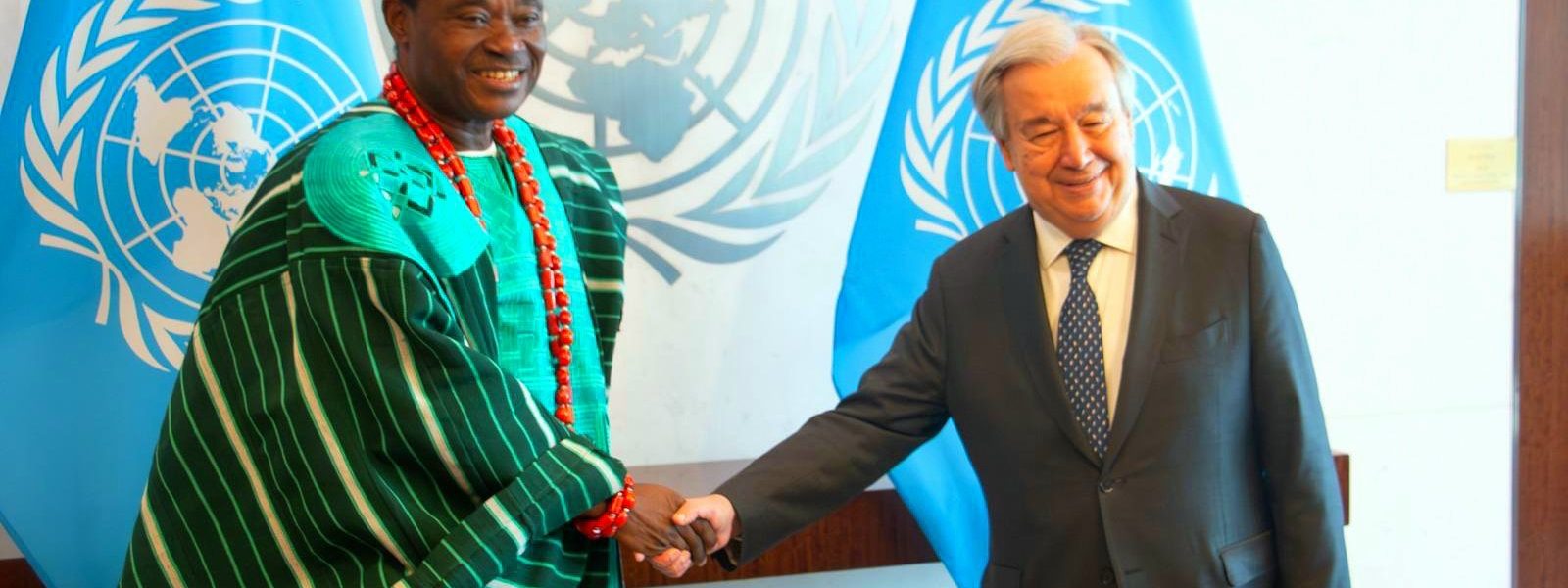
Nigeria’s Jimoh Ibrahim Elected Chair of UN General Assembly’s Fifth Committee

Nigeria’s Jimoh Ibrahim elected Chair of UN budget committee, pledging reforms, fiscal discipline and consensus-building.Nigeria’s Permanent Representative to the United Nations, Ambassador Jimoh Ibrahim, has been elected Chairman of the Fifth Committee of the United Nations General Assembly, placing Nigeria at the helm of the UN body responsible for administrative and budgetary matters.
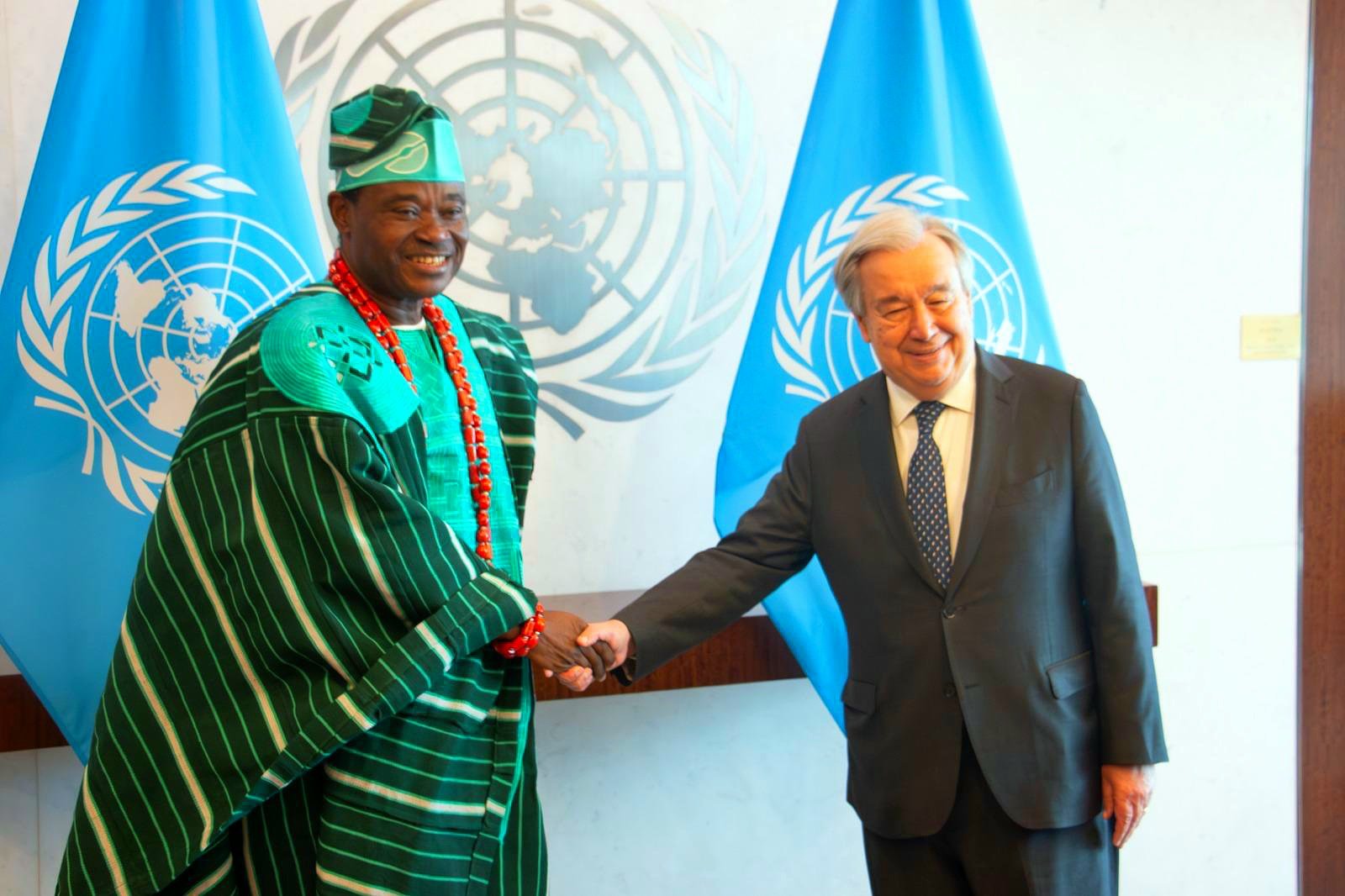 Ibrahim’s election positions Nigeria in a key leadership role within one of the General Assembly’s most influential committees, which oversees the organisation’s finances, administrative operations and resource allocation.
In his acceptance speech, the Nigerian diplomat described the appointment as both an honour and a significant responsibility, pledging to steer the committee through a period marked by financial constraints, institutional reforms and growing global challenges.
He thanked member states for their confidence and pledged to work closely with regional groups, committee officers and the UN Secretariat to ensure effective management of the committee’s agenda.
Ibrahim acknowledged the United Nations’ financial challenges, including budgetary pressures arising from delayed contributions by member states, and urged countries to meet their obligations promptly to guarantee the organisation’s long-term sustainability.
“The challenges before us require collective responsibility and decisive action,” he said, stressing the need for prudent management of resources to enable the UN fulfil its global mandates.The ambassador also highlighted the importance of ongoing United Nations reforms aimed at improving efficiency, accountability and institutional effectiveness.
He identified geopolitical tensions, economic uncertainty, insecurity, poverty and rapid technological changes as major issues requiring coordinated international responses, adding that leadership, innovation and knowledge-driven policies would be essential in addressing them.
Emphasising the importance of consensus-building, Ibrahim said cooperation among the UN’s 193 member states would remain central to the committee’s work, pledging to ensure that diverse perspectives are reflected in decision-making processes.
Drawing on his experience in Nigeria’s National Assembly, particularly in budgetary and inter-parliamentary affairs, he expressed confidence in his ability to build consensus and foster cooperation among member states.
Observers have described his election as a notable diplomatic milestone for Nigeria, reflecting the country’s growing engagement in multilateral institutions and global governance.
The Fifth Committee plays a critical role in shaping the administrative and financial framework of the United Nations, making its leadership central to discussions on budget reforms, financial sustainability and institutional effectiveness.

