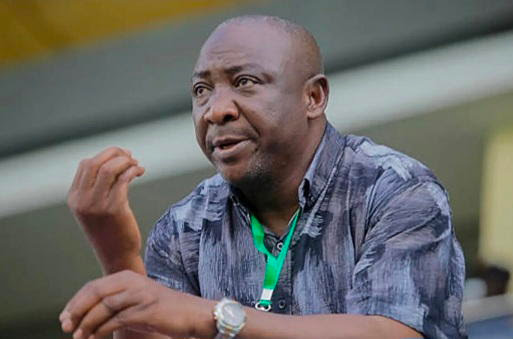

The President of the Nigeria Football Federation (NFF), Ibrahim Gusau, and other members of the federation’s board have reportedly resigned following intense pressure over the management and recent failures of Nigerian football.
 The NFF board had come under heavy criticism after a series of disappointing performances by the country’s national teams, with the latest setback being the Super Falcons’ failure to qualify for the FIFA Women’s World Cup for the first time in the team’s history.
The crisis deepened after more than half of the NFF Executive Committee members reportedly resigned from their positions. Eight of the 13 members of the NFF board were said to have quit, putting further pressure on Gusau and the remaining officials.
The federation has also come under scrutiny over the alleged mismanagement of funds released by the Federal Government for Nigeria’s national football teams.
The Department of State Services (DSS) is reportedly investigating the utilisation of the ₦17 billion Federal Government intervention fund released to the NFF for the payment of players’ wages and bonuses. The fund was approved by President Bola Tinubu in 2024 to settle outstanding financial obligations owed to Nigeria’s national teams.
According to an authoritative source, the DSS is examining documents relating to the funds to determine how the money was utilised.
The investigation comes amid persistent public concerns over the administration of Nigerian football, which has suffered several major setbacks in recent years, including the Super Eagles missing consecutive FIFA World Cups and the Super Falcons’ historic failure to qualify for the FIFA Women’s World Cup.
The Super Falcons’ hopes of returning to the global tournament ended after a difficult qualifying campaign, including a 1-0 defeat to Cameroon in the quarter-finals of the 2026 Women’s Africa Cup of Nations and a 2-1 loss to South Africa’s Banyana Banyana in the Women’s World Cup qualification playoff.
Nigeria had previously qualified for every edition of the FIFA Women’s World Cup since the competition began in 1991, making the latest failure a historic disappointment for the country.
The resignation crisis could also affect the planned NFF board elections scheduled for September 27 in Lafia, Nasarawa State.
The developments have intensified calls for major reforms in the administration of Nigerian football, as stakeholders continue to demand accountability and a new direction for the country’s national teams