FCT Residents Lament “Crazy” Estimated Electricity Bills Amid Worsening Power Supply

FCT Residents Lament “Crazy” Estimated Electricity Bills Amid Worsening Power Supply
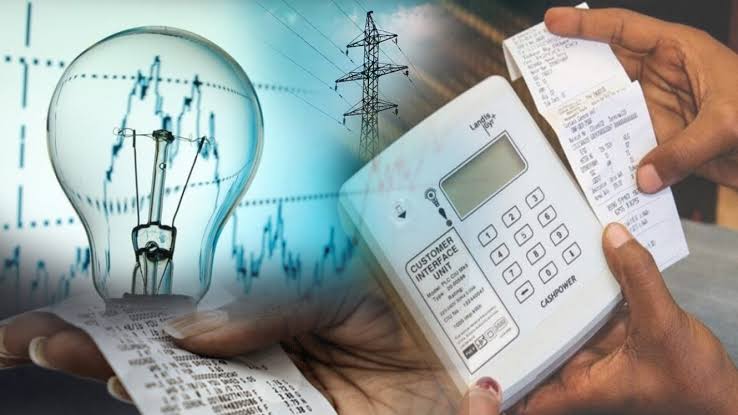
Residents of the Federal Capital Territory (FCT) have raised fresh concerns over what they describe as “crazy” estimated electricity bills despite enduring poor and inconsistent power supply in many communities across Abuja.
Several residents complained that electricity distribution companies continue to issue high estimated bills even in areas where power supply remains unstable, with some households reportedly receiving electricity for only a few hours daily.
According to affected residents, the situation has become unbearable as families struggle to cope with rising living costs alongside what they called “unjustified” electricity charges. Many argued that the bills do not reflect actual consumption, especially in homes and businesses without prepaid meters.
A resident of Kubwa, Abuja, said his monthly bill jumped significantly despite prolonged blackouts in his area. He noted that residents often spend heavily on fuel for generators because public power supply cannot be relied upon.
Small business owners also expressed frustration, saying the irregular electricity supply is hurting operations while estimated billing continues to drain their income. Some traders and artisans warned that the situation could force many small businesses to shut down if urgent action is not taken.
Consumer rights advocates have repeatedly criticized the estimated billing system, describing it as exploitative and lacking transparency. They have called on electricity distribution companies and relevant government agencies to accelerate the installation of prepaid meters to ensure customers pay only for electricity consumed.
Meanwhile, residents are urging the Nigerian Electricity Regulatory Commission (NERC) to intervene and hold distribution companies accountable over complaints of excessive billing and poor service delivery.
The development adds to growing public dissatisfaction with electricity supply challenges across the country, as Nigerians continue to grapple with high energy costs, frequent outages, and dependence on alternative power sources.