
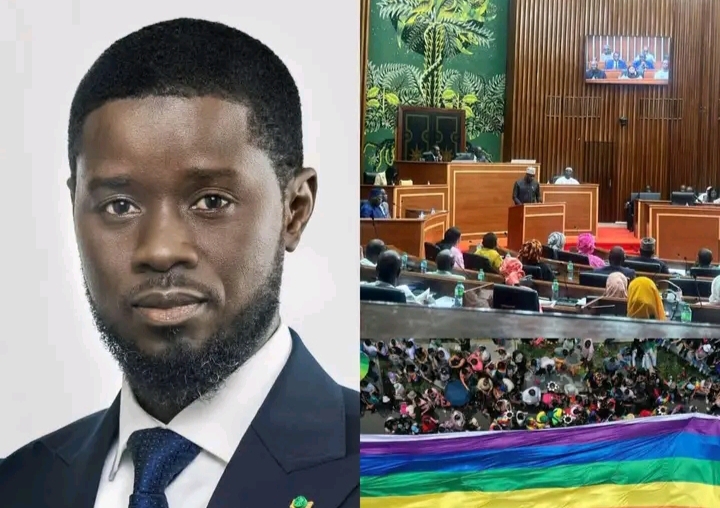

Senegal Lawmakers Approve New, Harsher Anti-LGBT Bill.
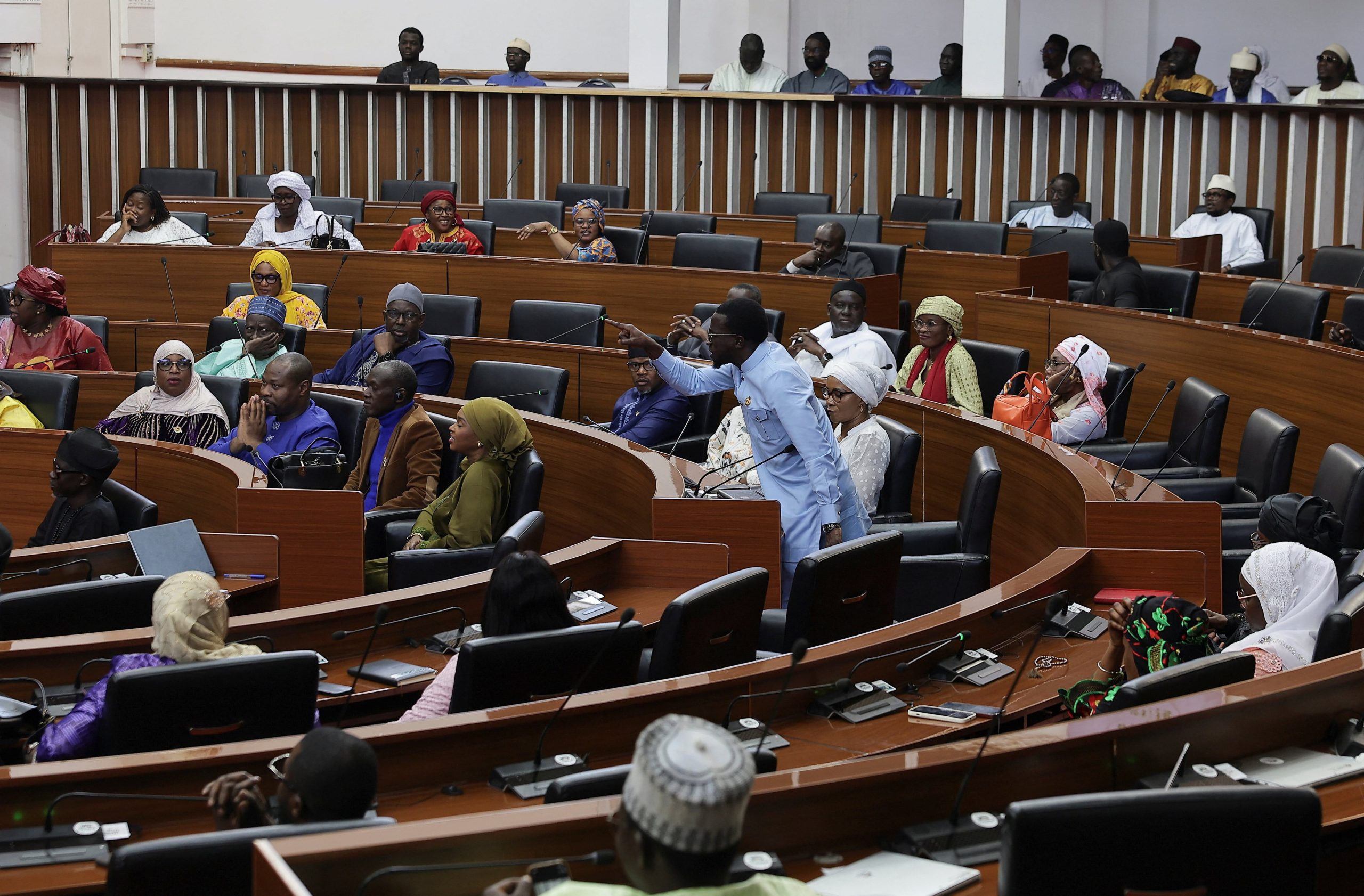 Lawmakers in Senegal have approved a controversial new bill that significantly strengthens penalties against same-sex relationships, sparking debate both within the country and internationally.
The legislation, passed by members of the National Assembly of Senegal, seeks to toughen existing laws that already criminalize same-sex relations. Supporters of the bill say the move is meant to protect what they describe as the country’s cultural and religious values. However, human rights groups warn that the new measure could further marginalize LGBT individuals and lead to increased discrimination.
Under the revised law, penalties for people found guilty of engaging in same-sex relationships could include longer prison sentences and higher fines.
The bill also introduces stricter measures targeting the promotion or advocacy of LGBT rights, which critics say could limit freedom of expression and civil society activities.
Many lawmakers backing the legislation argued during parliamentary debates that the law reflects the will of the majority in Senegal, where conservative social norms strongly influence public policy.
They maintain that the government has a responsibility to preserve traditional family structures.
Meanwhile, international rights organizations, including Amnesty International, have expressed concern over the development.
Advocacy groups say the law could intensify fear and harassment against LGBT communities and may put Senegal at odds with global human rights standards.
The government has not yet announced when the new provisions will take full effect, but analysts say the decision could draw international scrutiny while reinforcing the country’s already strict stance on same-sex relations.
The development adds to ongoing discussions across Africa about LGBT rights, cultural values, and the balance between national sovereignty and international human rights expectations.
