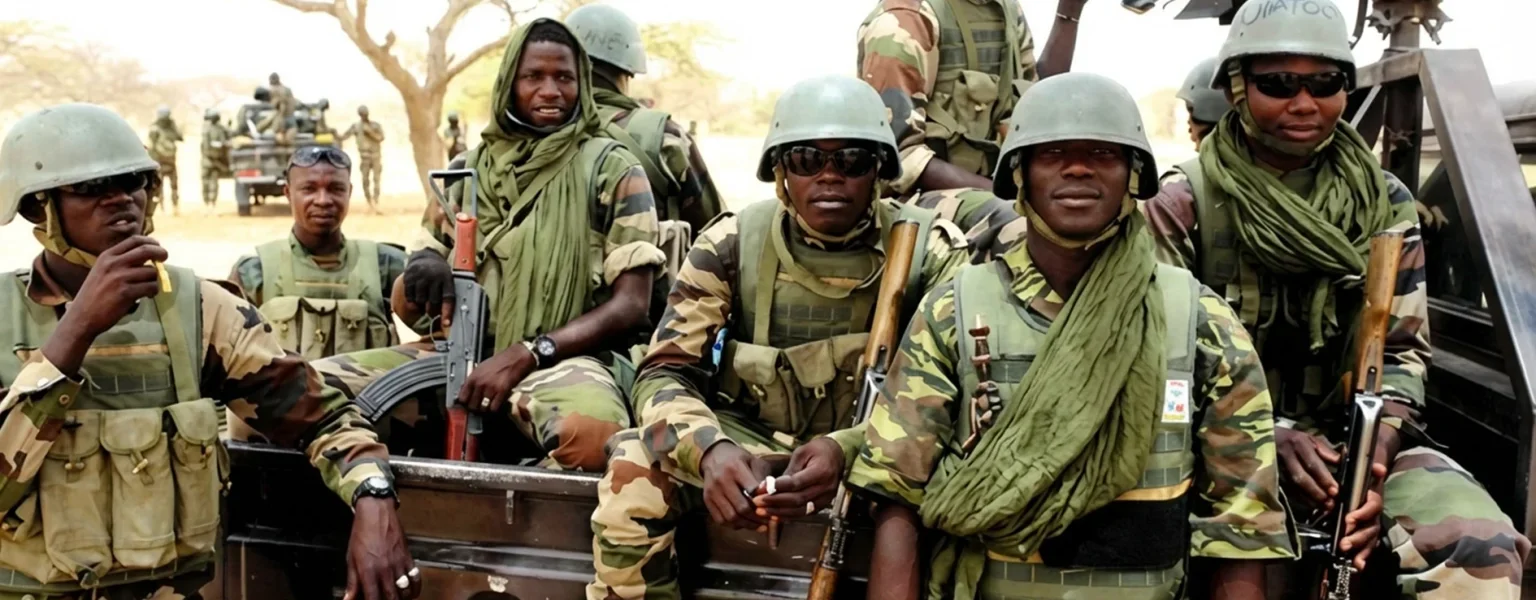
Soldiers confirm 80% salary increase as labour down tools over hardship, minimum wage

Personnel of the Nigerian Armed Forces have confirmed that the newly approved salary increases of up to 80 per cent have begun reflecting in their bank accounts, as public service workers commence a three-day warning strike over worsening economic hardship and demands for improved welfare.
 The Defence Headquarters confirmed that military personnel had started receiving their September salaries with the new adjustments incorporated into their payments.
According to soldiers, personnel from the rank of Private to Staff Sergeant are receiving the full 80 per cent increase. A Private who previously earned about ₦103,000 is now receiving approximately ₦190,000, while a Lance Corporal previously earning around ₦110,000 is reportedly receiving about ₦202,000.
President Bola Tinubu approved the salary review in August, with increases ranging from 30 to 80 per cent across the Armed Forces, effective from September 1, 2026.
Under the approved structure, personnel from Private to Staff Sergeant receive an 80 per cent increase, those from Warrant Officer to Colonel receive a 50 per cent increase, while officers above the rank of Colonel receive a 30 per cent increase. About 250,000 military personnel are expected to benefit.
The Federal Government said the adjustment will increase the annual salary bill for the Armed Forces from approximately ₦660 billion to ₦924 billion.
Meanwhile, the Joint National Public Service Negotiating Council (JNPSNC) has commenced a three-day warning strike running from October 2 to October 4, 2026, citing worsening economic and mental hardship affecting workers and their families.
The council accused the Federal Government of failing to adequately respond to demands submitted in September, including calls for measures to ease the rising cost of living.
Among the workers’ demands is a reduction in the price of petrol to ₦500 per litre, alongside a wage award and other measures aimed at cushioning the impact of economic hardship.
The labour action comes amid concerns over rising transportation costs, food prices, school fees, rent and other essential expenses. The Nigeria Labour Congress has also expressed concern that inflation has significantly eroded the purchasing power of workers’ wages.
The contrasting developments — improved military pay on one hand and industrial action by public-sector workers on the other — have renewed attention on wages, workers’ welfare and the broader cost-of-living crisis in Nigeria.