US blacklists Sudan’s Muslim Brotherhood, puts Burhan junta on the spot

US Blacklists Sudan’s Muslim Brotherhood, Puts Burhan Junta Under Pressure
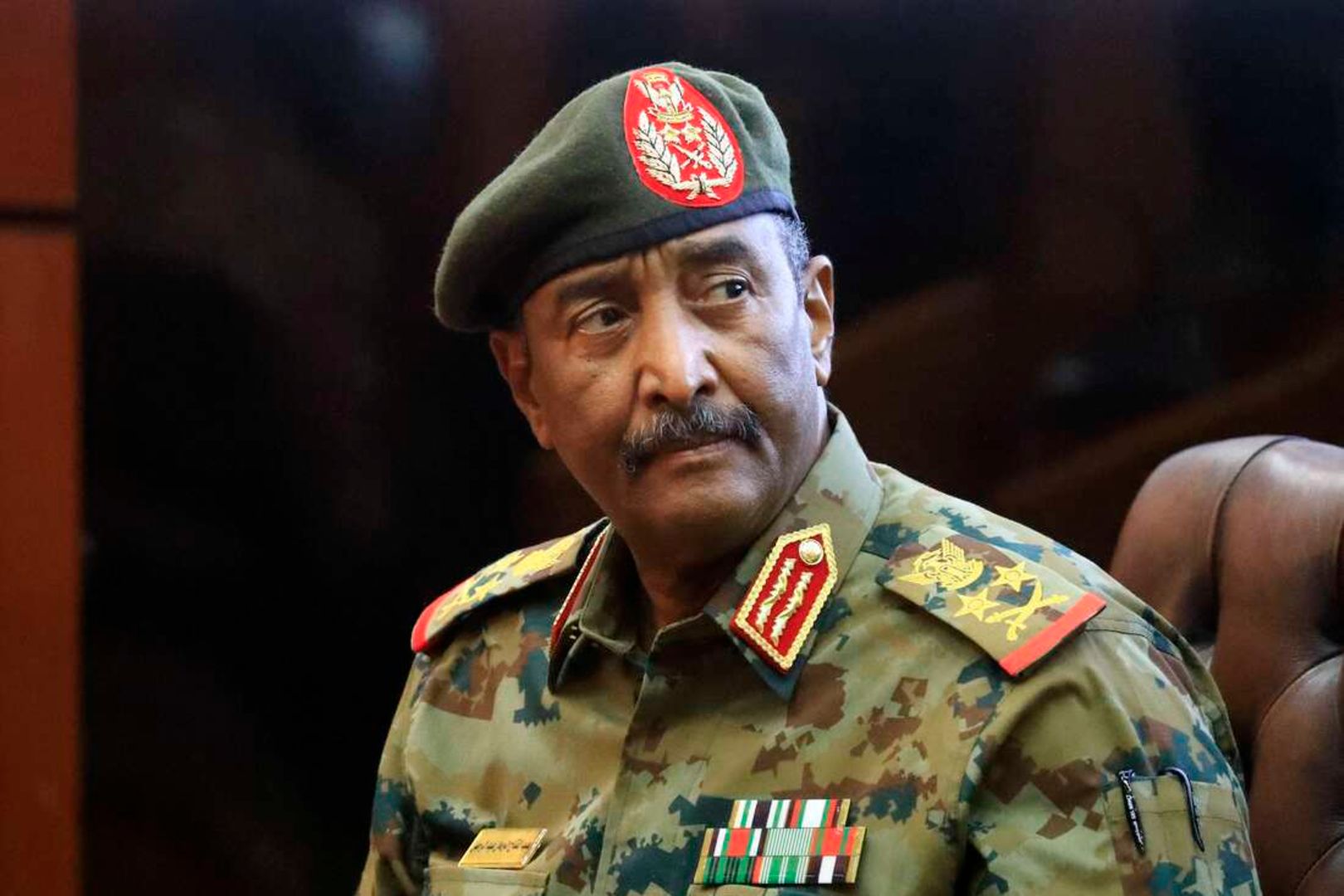
The United States has blacklisted the Muslim Brotherhood in Sudan, a move that significantly increases pressure on the military leadership headed by General Abdel Fattah al-Burhan.
The decision marks Washington’s latest effort to address instability and political influence of Islamist groups in the country.
According to U.S. officials, the designation targets networks and individuals linked to the Muslim Brotherhood who are accused of undermining Sudan’s political transition and supporting extremist activities.
The move is expected to freeze assets linked to the group under U.S. jurisdiction and restrict financial dealings with individuals or entities connected to it.
The action places Sudan’s ruling authorities, often referred to as the Burhan-led junta, in a difficult position as they try to balance domestic political alliances with growing international scrutiny.
Analysts say some factions associated with the military establishment have long-standing ties with Islamist groups that rose to prominence during the rule of former Sudanese leader Omar al-Bashir.
Washington said the designation is part of broader efforts to curb extremist financing and encourage Sudan to move toward a more inclusive civilian-led government.
Since the military takeover in 2021, the United States and its allies have repeatedly urged Sudan’s leaders to restore democratic governance and respect human rights.
Political observers say the blacklisting could further isolate Sudan’s military leadership internationally, especially as the country continues to face conflict, economic hardship, and diplomatic pressure.
The move may also complicate internal power dynamics within Sudan’s ruling structure, where Islamist networks still retain influence in parts of the political and security establishment.
Sudanese authorities have not yet issued a detailed response to the decision, but analysts expect the development to intensify debate inside Sudan over the role of Islamist groups in the country’s future political landscape.