
Ebola Spreads Faster in DR Congo as Uganda Nears End of Virus Outbreak

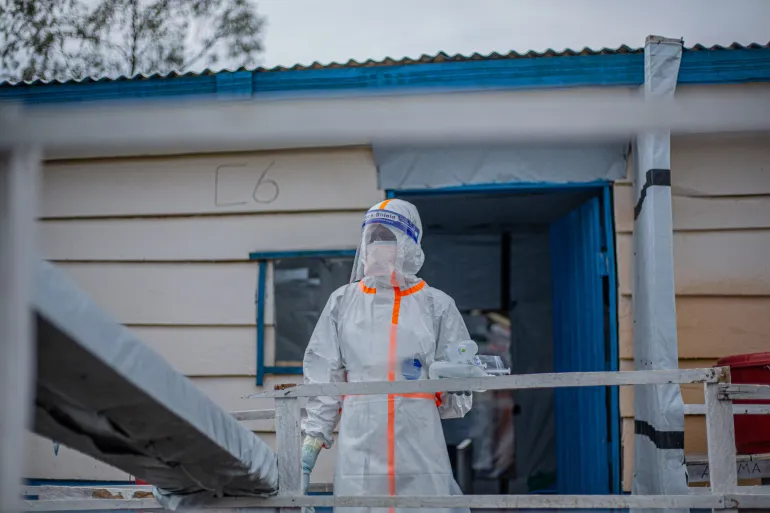
The Ebola outbreak in the Democratic Republic of Congo (DRC) is accelerating, raising fresh concerns among health authorities as new infections continue to emerge in affected communities.
 The increase in confirmed cases has been linked to ongoing insecurity, population displacement, and difficulties in reaching some remote areas with medical care and surveillance.
The World Health Organization (WHO) and local health officials have intensified emergency response efforts, including contact tracing, vaccination campaigns, and public awareness programs aimed at containing the spread of the deadly virus. However, attacks on healthcare workers, limited access to conflict-affected regions, and shortages of medical resources continue to hamper containment efforts.
In contrast, neighboring Uganda is on the verge of being declared Ebola-free after successfully controlling its recent outbreak. Authorities say no new cases have been recorded for several weeks, with all known contacts completing the required monitoring period without testing positive for the virus.
Uganda’s response has been widely praised for its rapid detection of cases, swift isolation of infected individuals, aggressive contact tracing, and strong public health coordination. If no additional infections are confirmed within the required period, the country is expected to officially declare the outbreak over.
Health experts have nevertheless urged neighboring countries to remain vigilant, warning that cross-border movement could still pose a risk of new infections. They stress the importance of continued surveillance, community engagement, and international cooperation to prevent further spread of the virus across the region.
Ebola is a severe viral disease transmitted through direct contact with the bodily fluids of infected individuals or contaminated materials. Symptoms include fever, fatigue, vomiting, diarrhea, and, in severe cases, internal and external bleeding. Early diagnosis, supportive treatment, and strict infection-control measures significantly improve patients’ chances of survival.

