The Minister of Defence, General Christopher Musa, has defended the controversial airstrike on Jilli in Borno State, insisting that those killed were not innocent civilians but individuals supporting insurgents.
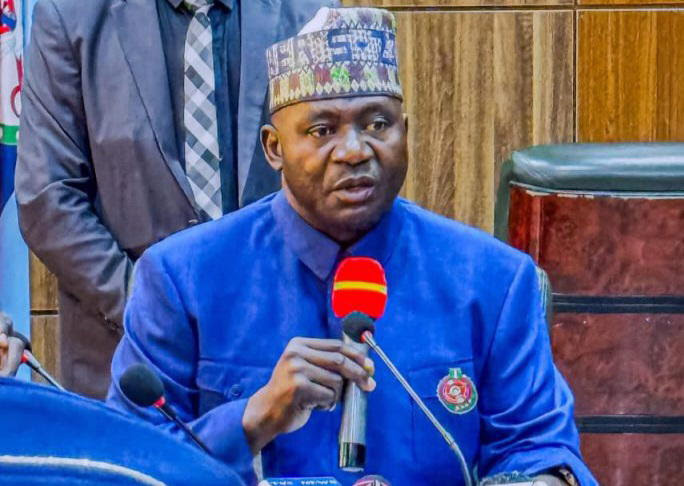
Speaking on Arise TV after a high-level security meeting chaired by President Bola Tinubu, Musa said the operation was based on credible intelligence and targeted a known hub for terrorist logistics.
“There was no innocent person there. Anyone at that location knew why they were there—they were doing business with terrorists,” he said.
The strike, which has sparked criticism over reported civilian casualties, has reignited debate about Nigeria’s counterinsurgency strategy and the challenge of balancing military action with civilian protection.
However, Musa dismissed claims of error, stressing that the operation was deliberate and intelligence-driven.
“We acted on verified intelligence, identified the target, and struck at the right time,” he stated.
He explained that Jilli had long been considered a no-go area due to its use by insurgents and their collaborators. According to him, the location functioned as a supply point where food, fuel, and other materials were delivered to terrorist groups.
“That place is not a regular civilian market. It is where terrorists meet those supplying them with essential items,” he said.
Musa added that financial incentives often lure individuals into such activities, noting that traders can make huge profits by selling goods in insurgent-controlled areas.
“For instance, a bag of rice can be sold for as much as N150,000. People go there knowingly because of the profit,” he explained.
He argued that anyone who willingly provides support to insurgents cannot be considered innocent under the laws of armed conflict.
“Anyone who supports terrorists is part of them. Their actions help sustain violence,” he said.
While acknowledging the complexities of distinguishing civilians from combatants in asymmetric warfare, Musa emphasized that the military exercises caution in its operations.
He, however, distinguished between those forced into cooperation and those who engage voluntarily.
“Some people are victims and are forced—that is different. But those who go there willingly for business are not innocent,” he noted.
Although reports suggested that dozens were killed, Musa questioned the credibility of such figures, citing a lack of verifiable evidence.
“Were there pictures? Has anyone confirmed those numbers?” he asked.
He also pointed to feedback from local authorities, maintaining that Jilli was not a typical civilian area.
“People familiar with that place know what it represents. It had been evacuated, so what were people doing there?” he queried.
Musa further stressed that civilian collaboration with insurgents continues to fuel the conflict in the North-East, adding that cutting off such support would weaken terrorist operations.
“These suppliers keep them going. Without them, the terrorists cannot function,” he said.
He warned that individuals who engage with insurgents risk being caught in military operations.
“If you put yourself in that environment, you become part of the threat,” he added.