Tanzania Workers Demand Tax Cuts, Salary Review Amid Rising Cost of Living

Workers across Tanzania are calling for urgent tax reductions and salary reviews as soaring prices of fuel, transport, food, and other essentials continue to squeeze household budgets. Labour unions say many employees can no longer cope with the rising cost of living, especially as wages have remained largely unchanged despite growing economic pressure.
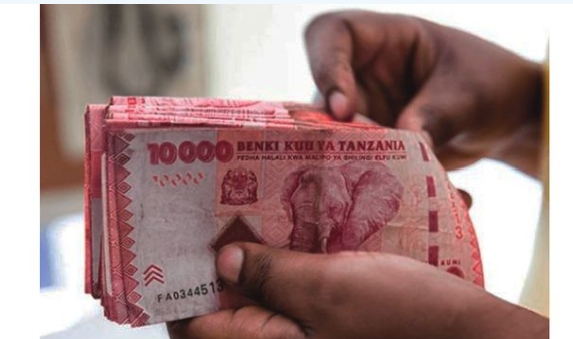
Representatives from both public and private sector unions have urged the government and employers to introduce immediate relief measures. Among the proposals are cuts to income taxes, salary adjustments, workplace meal support, and employer-sponsored transport services to help reduce the burden of daily commuting costs. Union leaders argue that such steps are necessary to protect workers’ welfare and maintain productivity.
The growing frustration comes after recent increases in global fuel prices, which have affected Tanzania and many other countries. Analysts say higher fuel costs often lead to more expensive transportation and food distribution, pushing inflation higher and weakening the purchasing power of ordinary citizens.
Workers also raised concerns over the current Pay As You Earn (PAYE) tax system, saying tax brackets have not kept pace with inflation.
This means some employees pay more tax even when their real income has not improved. Labour groups warn that if no action is taken, financial hardship among workers could deepen and trigger wider social and economic challenges.
The demands now place pressure on Tanzanian authorities to balance government revenue needs with public concerns over affordability. Many citizens will be watching closely to see whether upcoming policy decisions include tax reforms, wage reviews, or targeted support to ease the current cost-of-living strain.