
Nigeria Unveils Locally Built Autonomous Combat Systems and Robotic Defence Technology

Nigeria has taken a significant step toward military self-reliance with the unveiling of locally developed autonomous defence systems, including robotic combat units, interceptor drones, and AI-powered battlefield technologies designed to support counter-insurgency operations.
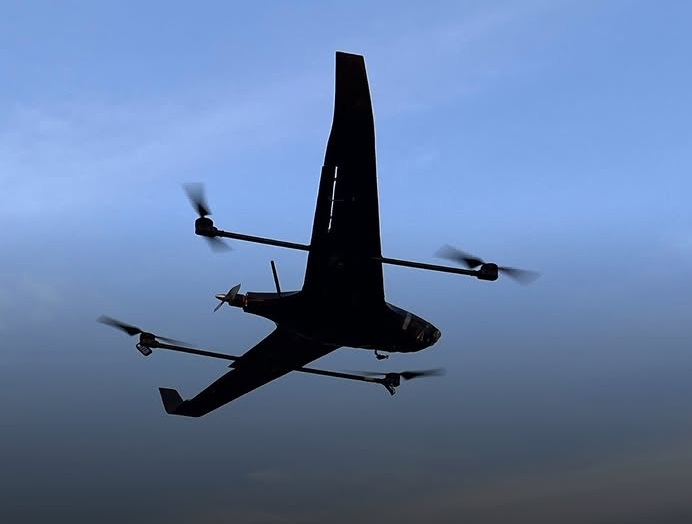 At a recent defence technology showcase in Abuja, a Nigerian defence startup, Terra Industries, presented a suite of unmanned systems aimed at improving the country’s response to growing security threats such as insurgency, improvised explosive devices (IEDs), and drone-based attacks.
 The systems include interceptor drones capable of detecting and neutralising hostile aerial threats, as well as unmanned ground vehicles designed for mine detection and explosive ordnance disposal.
These robotic platforms are intended to reduce the exposure of soldiers to frontline dangers during military operations.
According to company officials, the technology also integrates battlefield intelligence software that helps in surveillance, threat analysis, and operational coordination in real time.
The development has drawn attention from Nigeria’s defence leadership, with senior military representatives reportedly expressing support for local innovation as part of broader efforts to modernise the armed forces and reduce dependence on imported military hardware.
Officials at the event noted that insurgent groups have increasingly adopted low-cost drones and roadside explosives, forcing militaries to adapt with advanced countermeasures. The locally built systems are being positioned as a response to these evolving tactics.
Nigeria has long relied on foreign suppliers for advanced defence equipment, but rising costs, logistics delays, and operational challenges have pushed renewed interest in domestic military production. The latest unveiling is seen as part of a broader strategy to strengthen indigenous defence manufacturing capacity.
Security analysts say the introduction of autonomous systems could significantly reshape battlefield operations if scaled effectively, particularly in regions affected by prolonged insurgency.
However, experts also caution that while the technology marks progress, its real-world effectiveness will depend on sustained funding, rigorous field testing, and integration into existing military structures.
The unveiling signals Nigeria’s growing ambition to participate in the global shift toward autonomous warfare systems while addressing domestic security challenges with homegrown solutions.