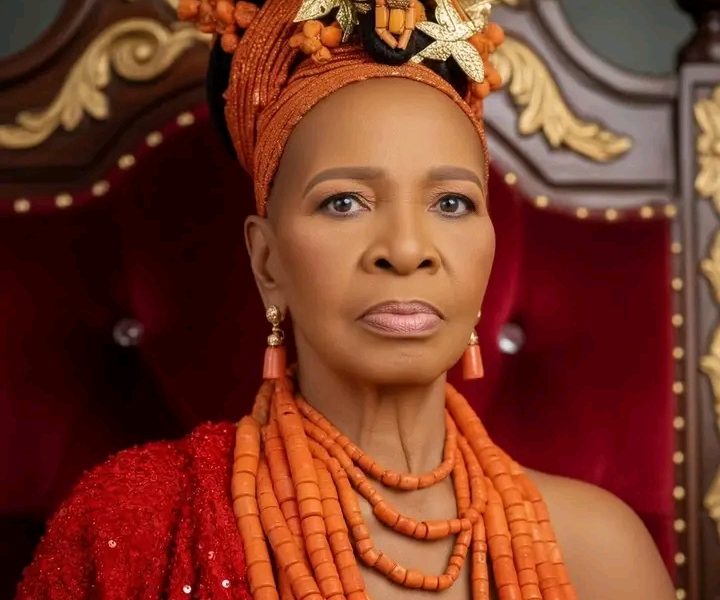

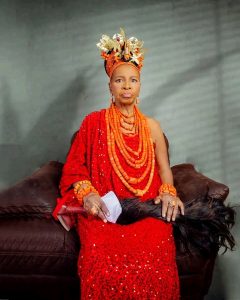
Princess Mrs Olowu, Nigeria’s pioneering female bronze caster and Uniben art graduate, has died at age 86.
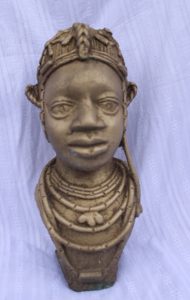
Her legacy reshapes African contemporary art history.Princess Mrs Olowu, a trailblazing figure in Nigerian cultural history, passed away on August 6, 2026, at the age of 86.
As Nigeria’s first female bronze caster, she dismantled long-standing gender barriers within the Benin royal household and the broader artistic community.
Her death marks the end of a remarkable chapter that redefined the trajectory of contemporary art in Nigeria through her work as a sculptor, educator, and mentor.
Breaking Royal Traditions in Bronze
Despite being born into the prestigious royal lineage of Oba Akenzua II and Queen Ederaro Ehioba Akenzua, Princess Elizabeth chose an unconventional path as an artist rather than adhering to standard royal duties. According to the Benin History Project, her father recognized her early interest in sculpture and decided to set aside traditional constraints.
He entrusted her to the Igun Ẹrọnmwọn bronze casting guild for specialized training, effectively challenging the ancient belief that women were prohibited from casting bronze.Pioneering Graduate at Uniben Art School
Princess Olowu was among the pioneer students admitted to the Uniben Art School, where she joined the first cohort of more than four students. She graduated alongside three male peers in 1979, becoming the sole female in that initial group to complete her studies that year while others finished in 1980.
This achievement established her as one of the earliest graduates of the department, cementing her status as a foundational figure in Nigerian art education.
Tributes From Daughter Prof Peju Layiwola
Her eldest daughter, Professor Peju Layiwola, honored her mother as a colleague, partner, and mentor whose influence extended far beyond family boundaries. Prof Layiwola emphasized that her mother taught her that knowledge does not require permission to travel, a principle that guided her own professional life.
She expressed profound pride in her mother’s dedication to integrity, creativity, and the shaping of minds through education, noting that these values remain central to her identity.
Adetokunbo Osarobo Tunde-Olowu, the fifth and last son, described his mother as a pillar of strength and a lifelong teacher who valued character over material wealth. He recalled her strictness as a manifestation of deep love, noting that she never tolerated dishonesty or laziness and insisted on humility regardless of social status. His tribute highlighted how her guidance provided comfort during uncertain times and instilled a disciplined spirit that continues to resonate within the family.Lasting Impact On Nigerian Art History
The legacy of Princess Olowu persists through her artistic contributions and the numerous individuals she mentored throughout her career.
Her refusal to inherit discriminatory traditions against women in the arts has inspired generations of creators to pursue their craft without fear of institutional barriers.
The combination of her royal heritage and her professional achievements in bronze casting creates a unique narrative that remains influential in discussions about African contemporary art and cultural custodianship.